

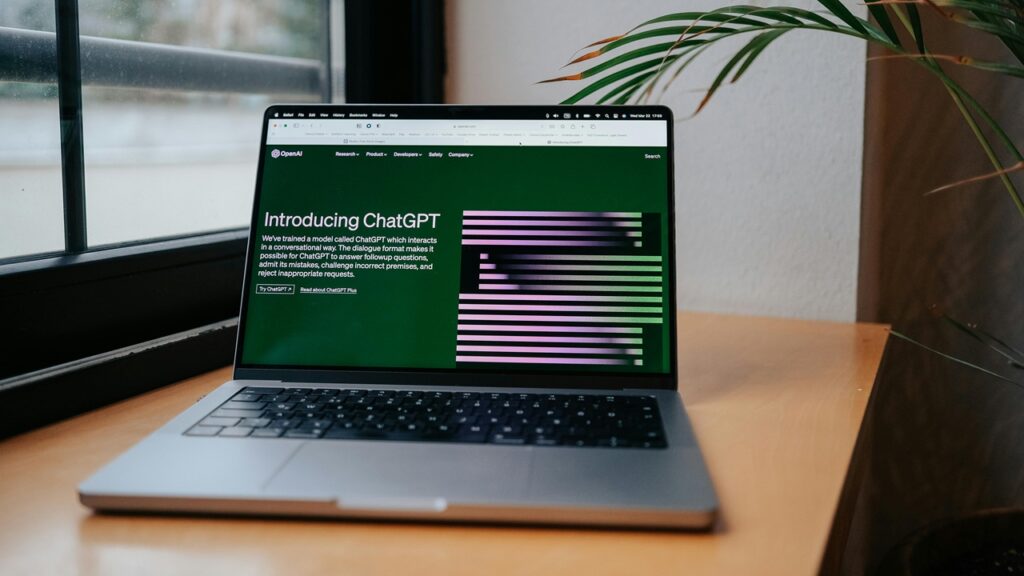
In a move that signals a profound shift in the artificial intelligence landscape, NVIDIA has entered into a landmark $20 billion agreement with the AI chip challenger Groq. Finalized in late December 2025, this transaction is being described by industry experts as a masterstroke of professional diplomacy and strategic foresight. Rather than a traditional, disruptive acquisition, NVIDIA has opted for a sophisticated “reverse acqui-hire” model—licensing Groq’s high-speed technology while onboarding nearly its entire visionary workforce.
At the heart of this deal is the recognition that the AI revolution is entering a second, more mature act. While the past few years were dominated by “training”—teaching large language models using NVIDIA’s powerhouse GPUs—the market is now rapidly pivoting toward “inference,” the real-time process of putting those models to work for everyday users. Groq’s specialized Language Processing Units (LPUs) are built for exactly this: delivering lightning-fast, energy-efficient responses that traditional hardware often struggles to match.
NVIDIA hires Groq CEO in an “aqui-hire” style
NVIDIA recently opted for a cross between company acquisition and hiring major figures for the same organization this month. As per a TechCrunch article, the transition is handled with a notable sense of collaborative effort. Groq’s founder and CEO, Jonathan Ross—the technical mind behind Google’s first Tensor Processing Units—will join NVIDIA alongside President Sunny Madra and approximately 90% of their engineering team.
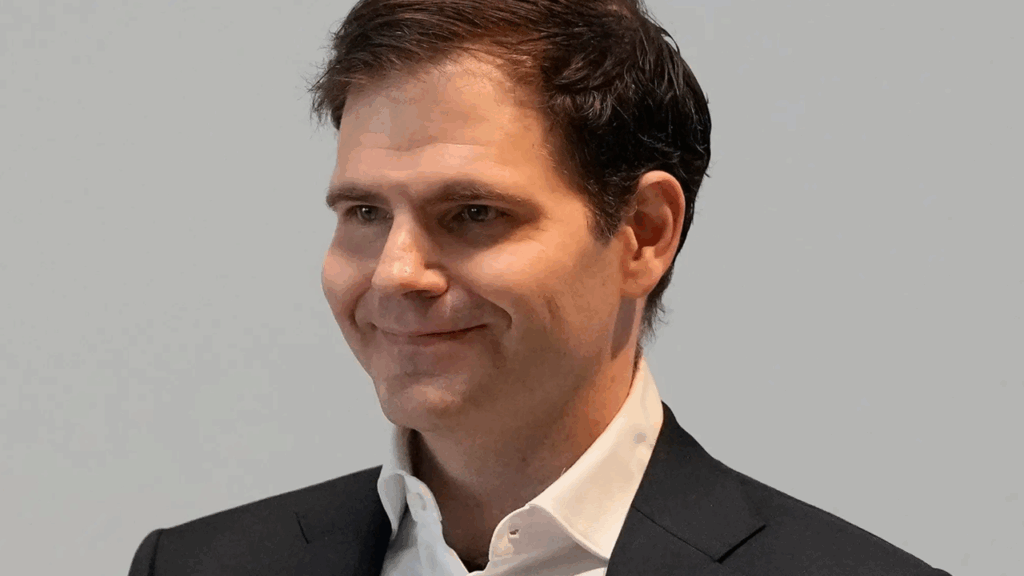
By structuring this as a non-exclusive licensing agreement rather than a full corporate buyout, NVIDIA avoids the regulatory gridlock of antitrust reviews while securing the basis of Groq’s innovation. What remains of Groq will continue to operate as a standalone entity under new CEO Simon Edwards, ensuring that existing cloud services remain uninterrupted for the community that helped build the brand.
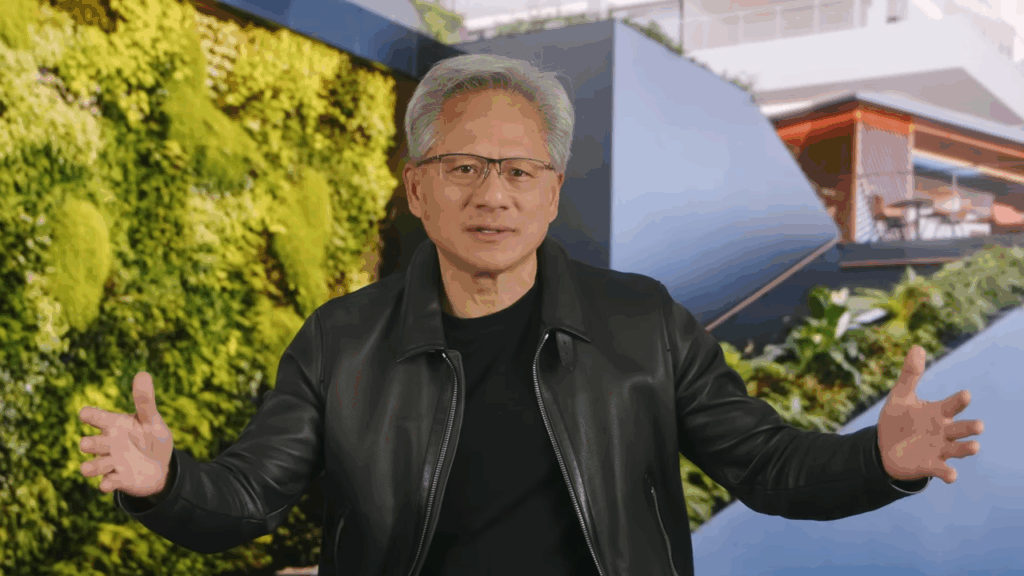
This $20 billion investment is a testament to the value of human capital. NVIDIA CEO Jensen Huang noted that the company plans to integrate Groq’s low-latency processors into the broader “NVIDIA AI factory,” effectively bridging the gap between massive training clusters and the specialized needs of real-time AI interactions. It is a professional alignment that respects Groq’s nearly decade-long journey while positioning NVIDIA to dominate the inference market, a domain where it previously faced mounting pressure.
Related: TIME Names AI Tech Leaders as Person Of The Year 2025
What NVIDIA’s latest deal imply for AI tech companies?
The implications for other AI tech companies are significant and immediate. By neutralizing its most potent technological rival in the low-latency space, NVIDIA has sent a clear message to the broader hardware industry: it is willing to deploy its massive cash reserves to protect its moat, for other startups like Cerebras Systems or SambaNova, the bar for competition has been raised.
These companies now face a competitor that not only possesses the world’s best training hardware but has now absorbed the elite engineering talent and intellectual property required to win the inference war. The “Groq model” of using SRAM-based on-chip memory to bypass global supply chain bottlenecks is no longer just a startup’s edge. It is now part of the incumbent’s arsenal.
Furthermore, this deal sets a new precedent for how “Big Tech” interacts with “Small Tech” in a tightening regulatory environment. Other giants like Google, Amazon, and Microsoft, which are investing billions in their own custom silicon to reduce their dependence on NVIDIA, now find themselves chasing a moving target.
As NVIDIA diversifies its hardware portfolio to include low-cost, high-speed inference solutions, it effectively crowds out the space where competitors hoped to find a foothold. This strategic consolidation suggests that the future of the AI industry may not be defined by a multitude of niche players, but by a few giants who possess the wisdom, as well as the capital, to absorb innovation as fast as it can be created.
Also Read: Jensen Huang Says Elon Musk was NVIDIA’s “First Customer”
