

In a significant move that reflects the evolving priorities of modern corporate culture, Duolingo has announced a comprehensive two-week companywide closure to mark the 2025 winter season. As reported by Business Insider, this initiative represents a deliberate effort by the Pittsburgh-based technology firm to prioritize the mental health and sustained creativity of its nearly 1,000 employees. By halting operations globally, the company is effectively granting its workforce a collective “reset” designed to combat the pervasive challenge of occupational burnout.
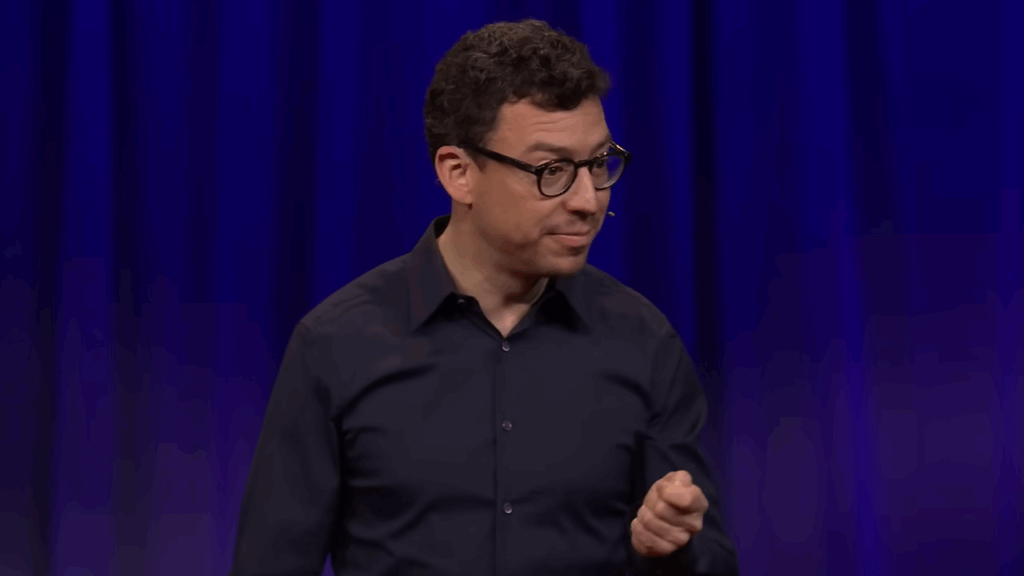
The decision, championed by CEO and co-founder Luis von Ahn, is rooted in a pragmatic understanding of how modern professionals truly rest. In a candid post on LinkedIn, von Ahn shared that traditional, fragmented vacation time often fails to provide genuine relief.
When individual employees take leave, the machinery of the company continues to move, resulting in a relentless accumulation of Slack messages and emails that await their return. By synchronizing this break, Duolingo ensures that the vast majority of its “Duos”—the affectionate term for its staff—can disengage entirely without the looming anxiety of a mounting “pile” of work.
Duolingo CEO Luis von Ahn fully supports “collective rest”
As mentioned in a recent Business Insider article, Duolingo’s new leave policy is particularly significant given the company’s rapid expansion. In 2025 alone, the company grew its headcount by 14% while navigating a high-stakes pivot toward an “AI-first” model. Such transitions often bring heightened pressure and rapid change, making the need for a restorative interval even more critical.
Von Ahn’s leadership suggests that for a publicly traded company to endure, it must treat its human capital with the same strategic foresight it applies to its algorithms. He argued that “building a company that lasts means protecting the things that matter,” specifically the well-being of the people who drive its mission of making education universally available.
The two-week duration is also a humane response to the realities of a globalized workforce. For many employees living thousands of miles from their families, a standard long weekend is insufficient for the demands of international travel.
This extended hiatus provides the necessary buffer for staff to reconnect with their roots and return with a renewed sense of purpose. Only a small, rotating “skeleton crew” remains active to ensure the app’s services remain uninterrupted for its millions of users, allowing the rest of the organization to celebrate the season in peace.
Related: OpenAI CEO Sam Altman Shares Easter Egg Before Christmas
“Collective rest” and its potential in the workplace
Beyond the immediate rest, this collective pause fosters a culture of reflection. Von Ahn noted that extended breaks allow employees the space to consider how their personal goals align with their professional contributions—a luxury rarely afforded in the constant sprint of the tech industry.11 This approach suggests that productivity is not merely a measure of hours logged, but a result of high-quality, focused effort that can only be sustained when individuals are given the grace to step back and breathe.

Ultimately, Duolingo’s winter closure serves as a powerful professional benchmark. It challenges the conventional corporate wisdom that prioritizes constant activity over long-term stability. By treating rest as a shared, organizational priority rather than a private burden, Duolingo is demonstrating that a company can be both a market leader and a compassionate employer.
In a year defined by the rapid integration of artificial intelligence, this gesture serves as a vital reminder that the most sophisticated innovations still depend on the health, happiness, and heart of the human beings who create them.
Also Read: Tesla CEO Elon Musk Reacts To China’s Progress In Solar Electricity
