


DeepSeek has opened 2026 by fundamentally challenging the conventional methods of training artificial intelligence. The Chinese startup, which previously disrupted the industry with its highly efficient R1 model, has published new research that analysts believe could alter the development of future large language models.
The paper introduces a technical breakthrough titled Manifold-Constrained Hyper-Connections (mHC). The study introduces a method designed to enable AI models to grow significantly in intelligence without becoming unstable or prohibitively expensive to operate.
DeepSeek publishes pivotal study on a new AI training method
According to a Business Insider report dated January 2, DeepSeek has published an academic paper on a particular method that trains LLMs in a more holistic manner. At its core, this research addresses a long-standing “scaling” problem. Typically, as engineers aim to increase a model’s intelligence, they boost the internal connections to allow different sections to share more information.

However, this often reaches a “breaking point” where the flow of information becomes chaotic, causing the model to crash or produce erratic results during training. DeepSeek’s mHC approach allows for much richer internal communication—comparable to a high-speed multi-lane highway—but keeps it strictly regulated within a mathematical framework. This preserves stability while unlocking superior performance, even when working with restricted hardware.
Wei Sun, a principal analyst at Counterpoint Research, characterized the development as a “striking breakthrough.” She noted that by redesigning the training process from the ground up, DeepSeek is demonstrating an ability to pair unconventional academic research with rapid, practical execution.
This is especially significant given the current geopolitical climate; with Chinese firms facing shortages of high-end AI chips, they have been forced to find “intellectual shortcuts” to compete with Western leaders like OpenAI and Google. By bypassing these hardware bottlenecks through mathematical efficiency, DeepSeek is effectively doing more with less.
Related: Mark Zuckerberg Makes Major Move as Meta Acquires Manus AI
DeepSeek’s research anticipates their upcoming launch
The timing of this release has sparked significant speculation regarding the company’s next flagship product, R2. While the model’s launch was previously delayed due to performance hurdles and chip shortages, DeepSeek has a history of publishing foundational research just before a major release. This leads experts to believe that the mHC architecture will serve as the engine for their next project, helping them overcome the technical barriers that stalled their progress in late 2025.
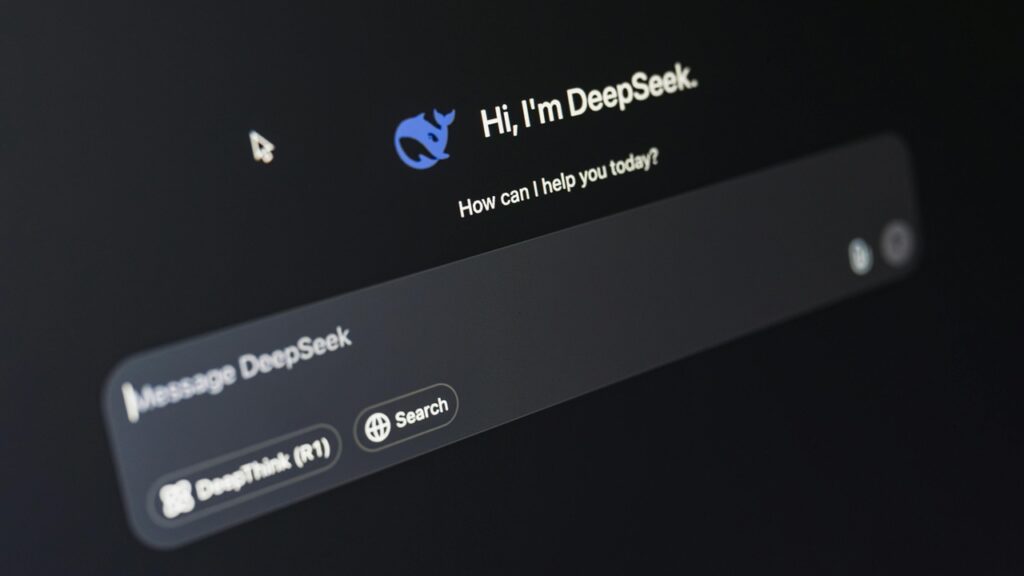
Interestingly, DeepSeek has opted to share their findings with the global community. Although many AI labs have become careful and covert about their methods, DeepSeek’s transparency is being viewed as a strategic move to establish itself as a leader in the field.
With a glimpse into their research, DeepSeek is setting a new pace for innovation that other labs must now scramble to match. Analysts suggest this openness serves as a key differentiator. This is indicative that the company’s innovative culture, rather than just its code, is its true competitive advantage.
Despite this technical brilliance, DeepSeek still faces the significant challenge of global distribution. While their models are highly respected by researchers for their “lean” efficiency, they currently lack the massive consumer reach enjoyed by platforms like ChatGPT or Google Gemini. Having a superior engine is a vital first step, but the true test for DeepSeek in 2026 will be whether it can translate these academic victories into a product that millions of people use every day.
Also Read: Cato Networks CEO Shlomo Kramer Thinks The AI Bubble is Real
