


In a significant widening of the rift between Silicon Valley and Sacramento, LinkedIn co-founder Reid Hoffman has issued a scathing critique of California’s proposed “Billionaire Tax.” Long regarded as one of the more politically moderate and civic-minded figures in the tech world, Hoffman’s decision to label the 5% levy as “horrendous” for innovation signals a turning point in the debate over wealth redistribution.
The former LinkedIn CEO’s intervention suggests that even those who have historically supported social safety nets are beginning to view the state’s fiscal trajectory as a fundamental threat to its status as a global technology hub.
Former LinkedIn CEO Reid Hoffman finds California’s Billionaire Tax “horrendous”
According to a Business Insider report, Reid Hoffman is reportedly appalled by the recently proposed Billionaire wealth tax in California. The proposed ballot measure, which seeks to extract a one-time tax from residents with a net worth exceeding $1 billion, has faced growing backlash from the “centibillionaire” class. For Hoffman, the objection is less about personal financial preservation and more about the structural integrity of the venture capital ecosystem.
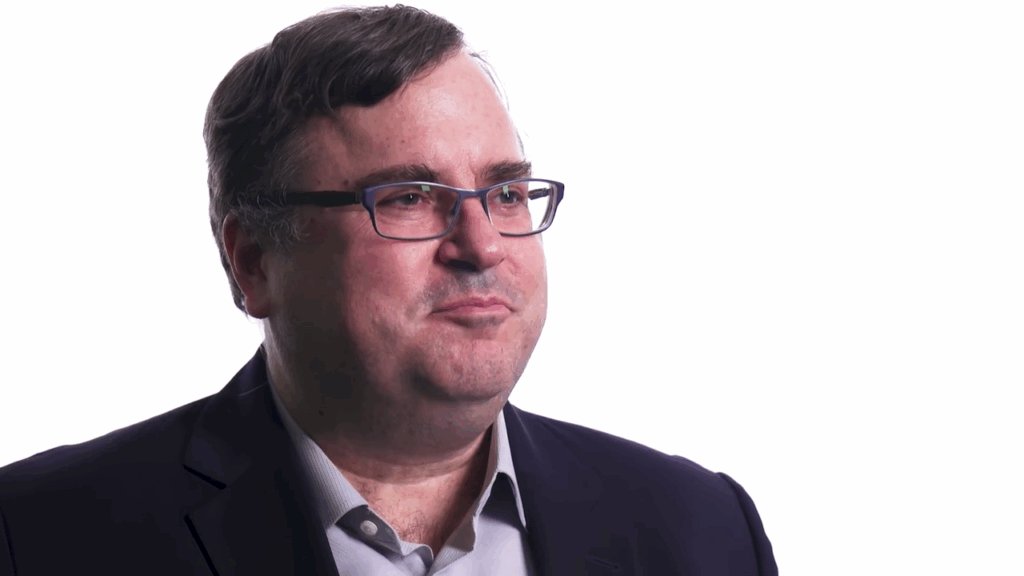
The former LinkedIn CEO argues that by taxing unrealized gains and total assets, the state is effectively penalizing the long-term holding of equity—the very mechanism that allows founders to build and scale transformative companies. This “exit tax” mentality, he warns, could inadvertently transform the Golden State into a jurisdiction that entrepreneurs actively avoid.
Hoffman’s perspective adds intellectual weight to a movement that has already seen the departures of figures like Larry Page and Peter Thiel. Unlike some of his peers who have decided on a quiet exit to Texas or Florida, Hoffman is using his platform to advocate for a more nuanced approach to fiscal reform.
He contends that while the state’s budget deficit and healthcare needs are urgent, there should not be a trivial solution that treats successful innovation as a liability. In his view, the policy fails to account for the mobility of modern capital, where the world’s most talented creators can relocate their operations with relative ease.
The human element of this debate is increasingly centered on the erosion of the “California Dream.” For decades, the state was viewed as a partner in the tech sector’s ambitious risks, providing the talent and infrastructure necessary for growth.
However, Hoffman suggests that the social contract is being rewritten in a way that prioritizes short-term revenue windfalls over long-term economic health. By signaling that the state may seize a significant portion of a founder’s life work, California risks losing the cultural “alchemy” that made Silicon Valley unique.
Related: Larry Page Moves Business Out Of California Due To “Billionaire Tax” Proposition
Reid Hoffman’s opinion raises concern about California’s future
Despite the outcry, proponents of the measure, including major labor unions, remain steadfast. They argue that the $100 billion in projected revenue is necessary to correct a state with some of the nation’s highest rates of wealth inequality. They point out that the wealthiest Californians have seen their fortunes grow exponentially while public services have struggled.

However, Hoffman’s warning serves as a reminder that the tax base is remarkably thin at the top; the departure of even a handful of high-net-worth individuals could result in a net loss of annual income tax that far outweighs the gains from a one-time levy.
This tension reflects an identity crisis for California regarding its entrepreneurial landscape. The state must decide whether it can afford to alienate its most successful citizens in the pursuit of equity. As Hoffman joins the chorus of dissent, the message to policymakers is clear: innovation requires a stable and predictable environment. Without it, the pioneers who built the modern digital economy may find that their future lies elsewhere, leaving the state to grapple with a fiscal hole that no single tax can fill.
Also Read: Jensen Huang Is “Fine” With Proposed Billionaire Tax in California
