


In the realm of elite maritime engineering, few acquisitions have generated significant buzz as “Launchpad,” the $300 million superyacht recently acquired by Meta CEO Mark Zuckerberg. At an imposing 387 feet, the vessel is a masterpiece of Dutch naval architecture, yet it has become a focal point for a broader debate regarding the personal climate responsibilities of the global elite.
As Zuckerberg joins the ranks of the world’s premier mariners, Launchpad offers a revealing look at the human quest for family sanctuary and the environmental footprint that inevitably follows. A signifier of the wealth gap that continues to widen, doubts regarding the Meta CEO’s environmental consciousness seem to increase further.
Mark Zuckerberg faces backlash over carbon emissions of his $300 Million Superyacht, Launpad
According to a report by Luxury Launches, Meta CEO Mark Zuckerberg’s $300 million superyacht, titled “Launchpad,” has been under heavy fire for its high carbon emissions. Constructed by the renowned shipyard Feadship, Launchpad is a phenomenal marvel. In an Esquire ME report, the vessel features a sleek steel hull and an aluminium structure. It provides ample space to accommodate 24 guests and a crew of 48. Beyond the standard luxury accompaniments of a helipad and a swimming pool, Launchpad is reportedly designed as a private refuge for the Zuckerberg family.
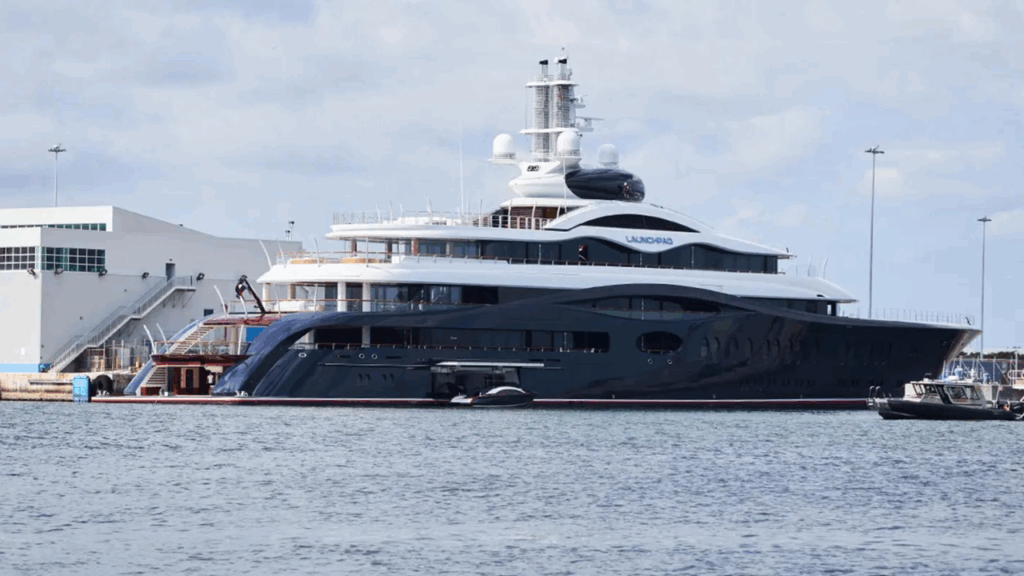
As per recent updates, this stems from the need for security and privacy, which are increasingly difficult to achieve on land. This aspect is further supplemented by “Wingman,” a 220-foot shadow vessel. This has been built to carry additional staff, diving equipment, as well as a helicopter, ensuring the family remains self-sufficient while at sea.
However, the reality of maintaining such a sanctuary has sparked a major backlash regarding current climate conditions. The environmental impact of Mark Zuckerberg’s Launchpad is worth noting. The vessel is powered by four large diesel engines, enabling it to reach up to 24 knots. However, this comes with a cost.
Data indicates that during the first nine months of its operation, the yacht consumed roughly two million liters of diesel. The resulting emissions, estimated at over 5,300 tons of carbon dioxide annually, are equivalent to the carbon footprint of roughly 400 average households combined.
Mark Zuckerberg’s Launchpad is a chilling reminder of the wealth gap
This data has intensified the debate over the climate gap between the wealthy and the general public. Critics, as noted by The Cooldown, point to a perceived paradox. A tech mogul who has publicly championed sustainability and net-zero goals is operating a private armada that burns nearly 300 gallons of fuel every hour.

The sentiment that the net-zero goals are for the impoverished has gained traction lately. This comes from observers who feel that while everyday citizens are encouraged to compromise with their lifestyle choices, the activities of billionaires remain largely unchecked.
The moot point lies in the tension between personal liberty and global responsibility. For Zuckerberg, Launchpad is likely seen as a necessary tool for family time and safety. For the public, it is a prominent symbol of wealth disparity in an era defined by climate sensitivity. The logistics required to run such a vessel ensure that the ship is always ready to depart, regardless of the environmental or financial costs.
Launchpad stands as a symbol of the modern era’s paradoxes. It is undeniably a triumph of human ingenuity and a father’s pursuit of a private life, yet its wake is trailed by difficult questions about social and environmental accountability.
As the Meta CEO navigates the world’s oceans, Launchpad will likely continue to steer through the shifting currents of public opinion. Through its voyage, it would serve as a permanent reminder of the vast resources commanded by the tech elite and the enduring challenge of balancing personal sanctuary with a shared global future.
