

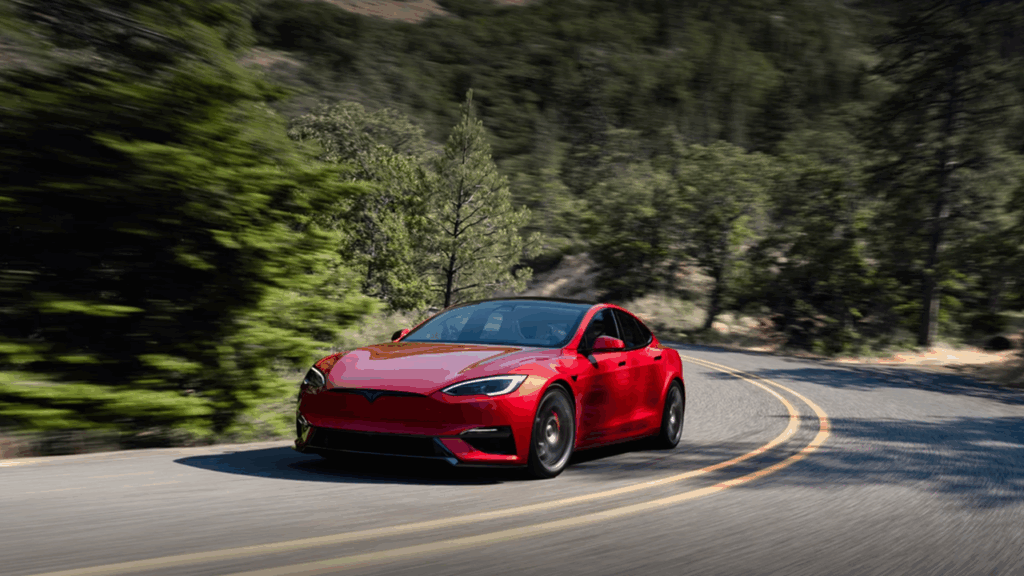
In a journey that felt more like a quiet transition into the future than a high-stakes race, a 2024 Tesla Model S has finally completed a coast-to-coast drive across the United States. But here is the fun part – it completed the trip without a human touching the wheel. The trip, finished on January 23, saw Alex Roy and his team travel from the glistening waves of Redondo Beach to the bright lights of Manhattan. This marks a major milestone as Tesla fulfilled a decade-old promise that had become a myth in the automobile industry.
Tesla Model S successfully executes FSD system across from Los Angeles to New York
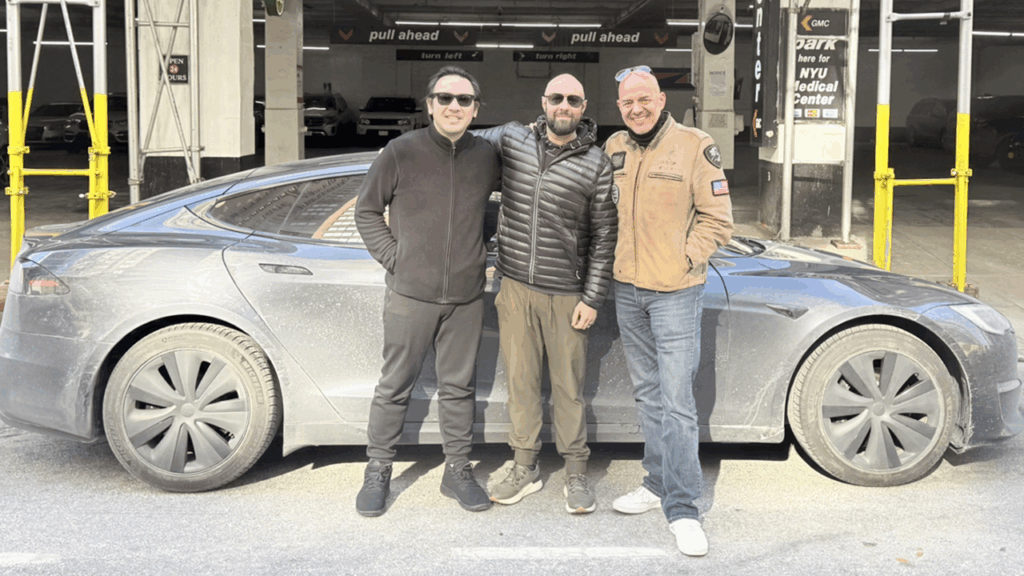
According to a recent report by The Drive, a 2004 Tesla Model S vehicle steered across the United States without human intervention. For the three people sitting inside the car, the experience was a surreal mix of boredom and awe.
Over the course of 58 hours, they watched the American landscape change through the windshield like a long, silent movie. The car navigated through the aggressive traffic of Los Angeles, the vast stretches of the Great Plains, and the narrow streets of New York City. Most impressively, it did so while withstanding rain, slush, and snowstorms that would have made even the most seasoned human driver nervous.
Alex Roy is famous for setting human-driven records on this same route. He noted a fundamental shift in the atmosphere of the cabin. In previous attempts, the team was always on edge, waiting for the software to make a mistake that required a split-second save. This time, the car, running the latest version of Tesla’s Full Self-Driving (FSD) software, felt calm. The vehicle made decisions with a level of confidence that eventually allowed the humans on board to stop being “drivers.”
Tesla Model S has set many records for FSD version automobiles
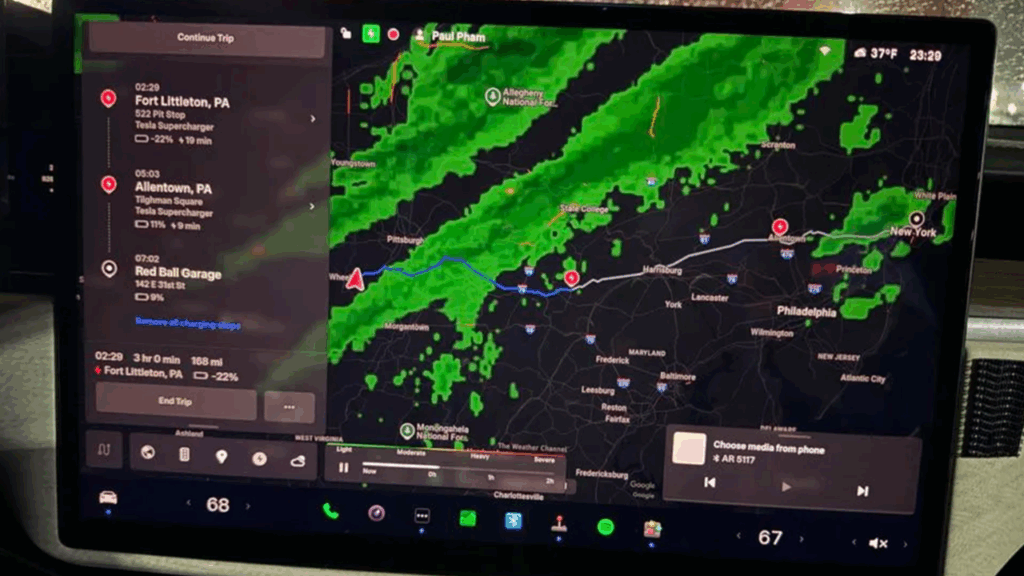
The numbers tell a story of incredible progress. The vehicle covered 3,081 miles, spent 58 hours on the road, and 10 hours at Supercharger stations. Yet, the most important number was zero: the number of times the human in the driver’s seat had to intervene to keep the car on the road or out of trouble. Even the process of pulling into tight charging stalls and backing into spots was handled entirely by the car’s AI.
Indeed, this wasn’t a lawless sprint. To maintain the “zero-intervention” streak, the team prioritized the software’s success over raw speed, maintaining a steady average of 64 mph and carefully following every traffic law.
It was a slow, methodical march across the continent that proved the technology had moved past the “parlor trick” stage. While federal regulators still classify the system as one that requires constant supervision, for the team that lived through those 3,000 miles, the car proved it was more than capable of handling the heavy lifting.
As the Model S pulled into Times Square, caked in road salt and grime from half a dozen states, it felt like the closing of a long chapter in American car culture. The “Cannonball Run” used to be the ultimate test of human grit, caffeine, and nerves. In 2026, it became a testament to the quiet, relentless power of code. For the average person, it’s a hint that the long, exhausting family road trip might soon become a thing of the past, a journey where you can finally spend your time looking at the view instead of the white lines on the road.
Also Read: Is Elon Musk Planning to Buy Ryanair After Being Called an “Idiot”?
