

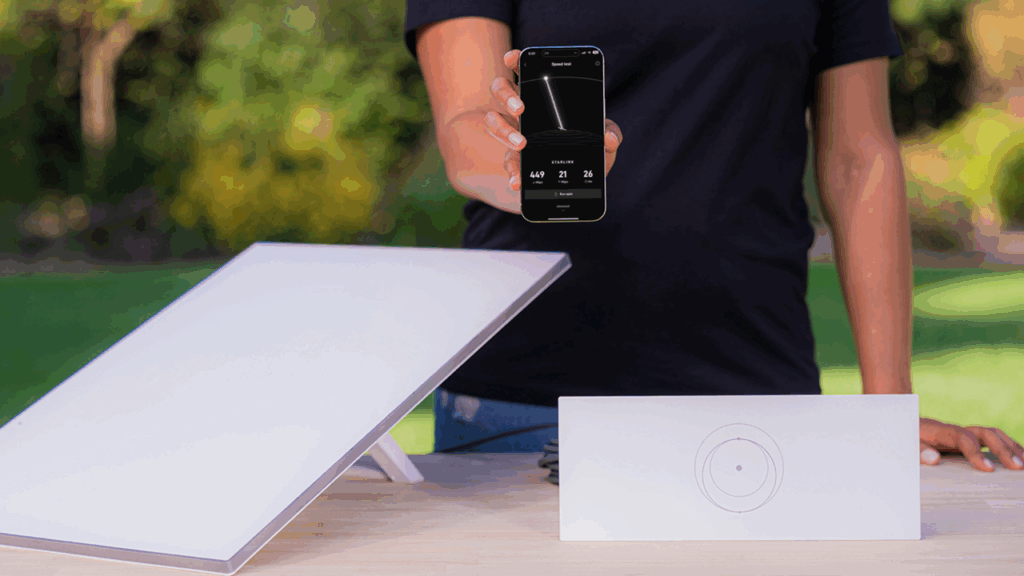
In a striking alliance that bridges the gap between consumer electronics and orbital infrastructure, Apple has officially partnered with Elon Musk’s SpaceX to bring a transformative “direct-to-cell” capability to the iPhone. Reported on January 28, the collaboration effectively turns the iPhone into a global satellite device, promising an end to the “dead zones” that have long haunted people travelling towards the world’s most remote reaches.
Apple could bring Starlink’s “direct-to-cell” capability to future smartphones
According to the latest updates from Unilad Tech, Apple is reportedly in talks with SpaceX CEO Elon Musk to bring Starlink’s “direct to cell” capability to Apple devices. Early speculations suggest that there is a possibility that the tech giant could integrate the same in their forthcoming iPhone 18 models.
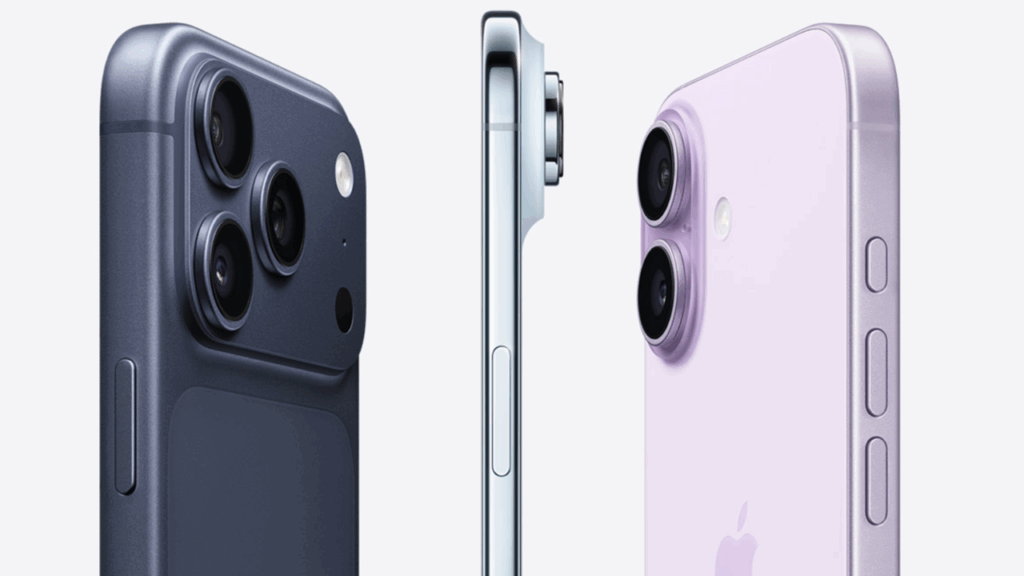
The partnership represents a significant evolution of Apple’s initial foray into satellite tech. While the original Emergency SOS feature was a limited, low-bandwidth lifeline, this new integration leverages SpaceX’s Starlink “v2 mini” satellites to support routine text messaging and, eventually, seamless voice and data. Essentially, these satellites act as cell towers in space, allowing a standard iPhone 18 Pro to connect directly to the sky without the need for the bulky, specialized antennas that once defined satellite telephony.
From the perspective of the average person, this collaboration addresses a fundamental anxiety of the modern era: the fear of being truly unreachable. Whether it is a hiker navigating a mountain trail, a maritime worker far at sea, or a family in a region with failing terrestrial infrastructure, the feature provides a sense of omnipresent safety. Industry analysts suggest this shift redefines the smartphone not just as a tool for productivity, but as a critical piece of global safety equipment that functions regardless of geography.
For Apple, the move is a strategic masterstroke. By aligning with SpaceX, they have secured access to the most robust and rapidly expanding satellite network in orbit, leaving rivals to scramble for similar coverage. Conversely, for Elon Musk, the deal provides an immediate, massive user base, instantly validating Starlink’s mobile technology as a mainstream utility rather than a niche service for enthusiasts.
Related: Apple CarPlay Ultra Sparks Concern as Ford CEO Jim Farley Weighs In
The Apple-SpaceX collaboration could bring in major changes in communications
The technical sophistication required for this feat is immense. To enable a device in your pocket to “handshake” with a satellite moving at 17,000 miles per hour, miles above the Earth, engineers had to overcome significant signal challenges. The result is a proprietary software layer that enables the iPhone’s modem to automatically communicate with Starlink nodes, ensuring a stable connection even in challenging weather or under partial tree cover.
As the feature begins its rollout, it signals a new era of “borderless” communication. While the initial service focuses on SMS and essential apps like Maps, both companies have hinted at a future in which high-speed satellite 5G is the standard for mobile devices. It is a rare moment of synergy between two of the world’s most influential, and often competing, tech visionaries. This could propel the consumers toward a world where the infrastructure of the earth is no longer a limitation for the technology in our hands.
Also Read: Steve Jobs’ Billionaire Widow Opens Apple Store-Like, Hurricane-Proof School in Barbados
