


The structural integrity of the Western alliance is currently weathering its most severe trial in decades as the diplomatic deadlock over Greenland’s sovereignty spills over into a volatile economic theatre. According to recent reports, a groundswell of grassroots sentiment across the European continent has shifted from mere political discourse to a structured, far-reaching embargo on American commodities and digital ecosystems. This “transatlantic cooling” marks a decisive break in relations between Washington and Brussels, threatening to unravel the intricate trade tapestries woven since the end of the Cold War.
U.S.’s claim over Greenland faces new challenge as Europe takes strict steps
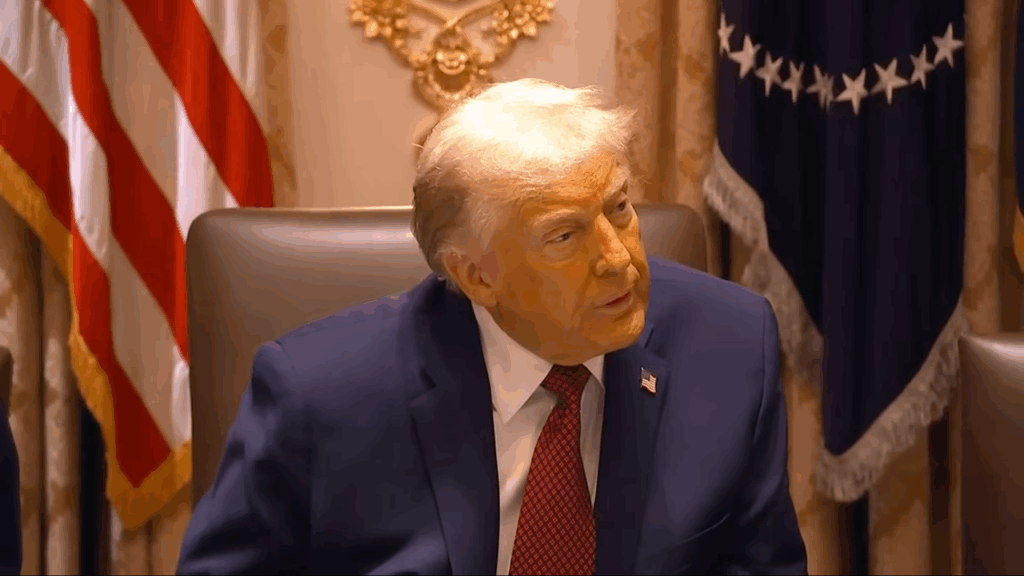
According to a Fortune report, the flashpoint remains the United States’ assertive claim over Greenlandic territory. This proposition has drawn a unified rebuke from the Danish Crown and the EU. Yet what initially began as a territorial dispute has now rapidly evolved into a cultural and economic rift.
From Paris to Berlin, the European populace is increasingly turning away from hallmark American conglomerates. This movement, fueled by decentralized social movements, has triggered a quantifiable exodus from U.S. software platforms and a sharp downturn in the consumption of American-made electronics and luxury goods.
For the first time in the Silicon Era, the presumed invincibility of American tech hegemony appears to be faltering. Industry analysts observe that “Digital Sovereignty,” once a sterile policy objective discussed in the quiet halls of the EU, has been reclaimed by the public as a potent tool of civil protest.
Internal data from several California-based tech giants indicate a shift toward European-hosted alternatives and decentralized communication networks as users seek to purge American digital footprints from their daily lives. This is no longer a fleeting symbolic gesture; it represents a fundamental pivot in consumer psychology that could jeopardize billions in projected transatlantic revenue.
The economic aftershocks are equally palpable within the American agricultural and manufacturing heartlands. European retail consortia, sensitive to the shifting loyalties of their customer base, have begun actively diversifying supply chains away from U.S. dependencies. In Copenhagen, major retail groups have reportedly introduced subtle signaling systems to help shoppers identify and choose regional alternatives over American imports.
Europe’s response to U.S.’s claim of Greenland could anticipate tougher days
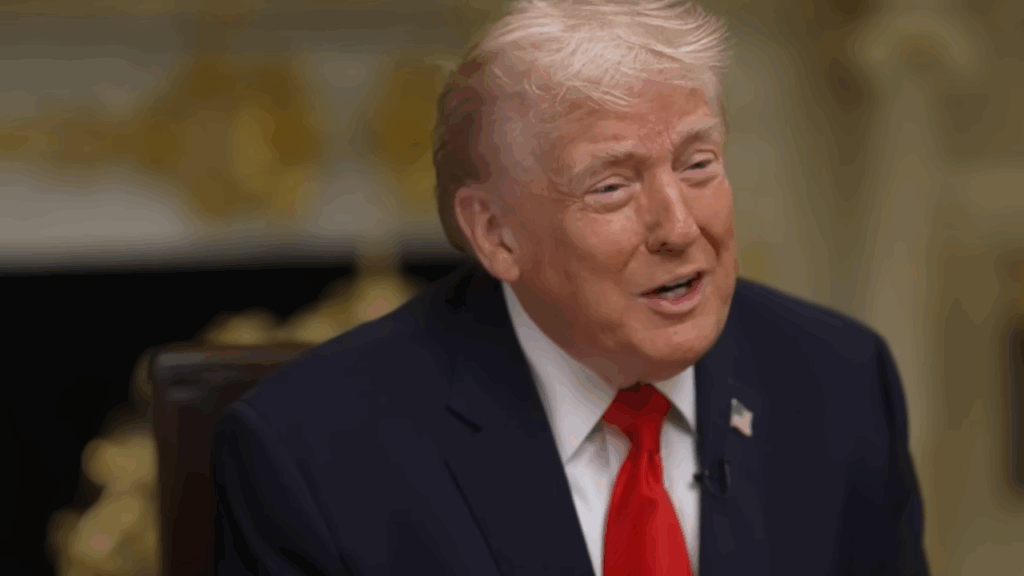
This organic protectionism, sparked by a profound disagreement with American foreign policy, has left European leadership in a precarious position, navigating the narrow strait between maintaining historic treaties and acknowledging a constituency that now views the U.S. more as a systemic competitor than a protective ally.
Geopolitical strategists suggest the “Greenland Crisis” has served as a catalyst for a deeper, simmering European frustration with unilateral American diplomacy. This boycott is widely interpreted as a form of non-kinetic pushback, a means for European civil society to apply pressure when state-level diplomacy has reached a stalemate. The sophistication of this campaign, which employs barcode-scanning technology to trace corporate lineages back to U.S. parents, indicates a level of strategic coordination rarely seen in consumer-led movements.
As Washington holds its course, the private sector in the United States is beginning to shoulder the financial burden of this diplomatic rift. Should this trajectory go unchanged, the erosion of American market share in Europe may become the most lasting consequence of the Greenland dispute.
For nearly a century, the prestige of American brands acted as the “soft power” glue of the Atlantic world; today, that prestige is being treated with open skepticism. As 2026 progresses, the global economy faces the daunting task of operating within a fractured West, where the two primary pillars are no longer synchronized in commerce or conviction.
Also Read: MrBeast Runs a $5B Empire but Has ‘Negative Cash,’ Says He Borrows From His Mother
