

AI is here for the long haul, and there is no turning back from it. The technology is just too advantageous to ignore. The latest AI models are helping people churn out work faster and improve productivity on a massive scale. However, to sustain and expand the existing AI ecosystem, vast amounts of energy will be needed.
Sam Altman, CEO of OpenAI, has reiterated in multiple interviews that AI data centers are incredibly energy-intensive. So, naturally, the question arises: Where will the energy to power these AI models come from? Sections of the US general populace are worried that the state would end up covering their power needs, shooting up electricity bills for average Americans.
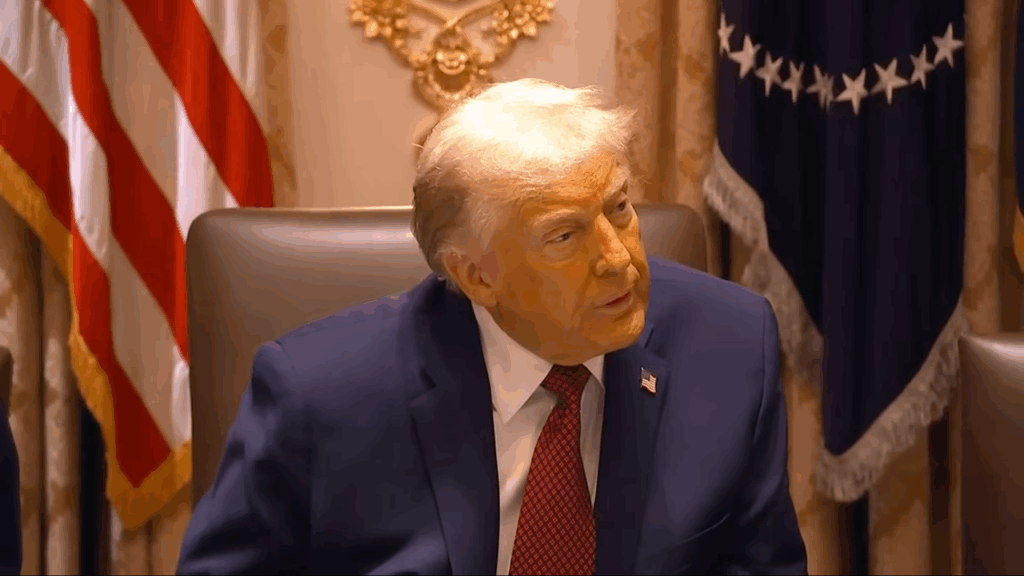
Recently, US President Donald Trump announced the Ratepayer Protection Pledge during his 2026 State of the Union address to prevent American electricity bills from rising due to the mushrooming of AI data centers, by making the big tech companies that run these centers take responsibility for these electricity costs instead of passing them on to residential ratepayers.
In that context, American entrepreneur David Sacks, on the AII-In podcast, explained that these AI companies might just end up lowering electricity bills. Let’s get into the nitty-gritty of what he said.
Sacks Optimistic About Donald Trump’s New AI Pledge Benefiting Ratepayers
Sacks emphasized that the pledge places responsibility on tech companies to provide for their own power needs. He said:
“He (Trump) supports a ratepayer protection pledge, which requires the major tech companies to provide for their own power needs for AI data centers so that residential consumers do not see their rates going up. I think this makes total sense.”
He then went on to say that residents of the United States shouldn’t worry about electricity prices going up because big tech is going to pay for their energy needs, or even set up their own power generation units.
“You get the big tech companies, the hyperscalers, to pay for the increase in the electricity costs, or you let them set up their own power behind the meter. The President has been talking about this for over a year, that our biggest AI companies would also become big power companies because we had let them stand up their own power generation behind the meter. So these data centers don’t even have to connect to the grid.”
The entrepreneur stated that these private companies setting up new power generation capacity might just end up doing the opposite of what many average Americans fear: lowering electricity prices. The reasoning he gave is that when these data centers set up their own power supply systems and connect to the state grid, they can feed the surplus back to it.
He also pointed out that electricity production involves high fixed costs, so when total scale increases, those costs can be spread out more efficiently. As a result, higher infrastructure investment and larger output could potentially lower the per-unit electricity rate for consumers.
The former PayPal executive has faith in the President’s “balanced” approach, allowing AI data centers to proliferate while making major AI companies pay for their energy supply. Now, it remains to be seen if his vision, which aligns with the President’s AI pledge, will actually be implemented in real time, or if it all falls to pieces once scaling starts happening at a rapid rate.
Also Read: Sam Altman Bets Big on India as Next AI Powerhouse Banking on the Country’s Adoption Potential
