

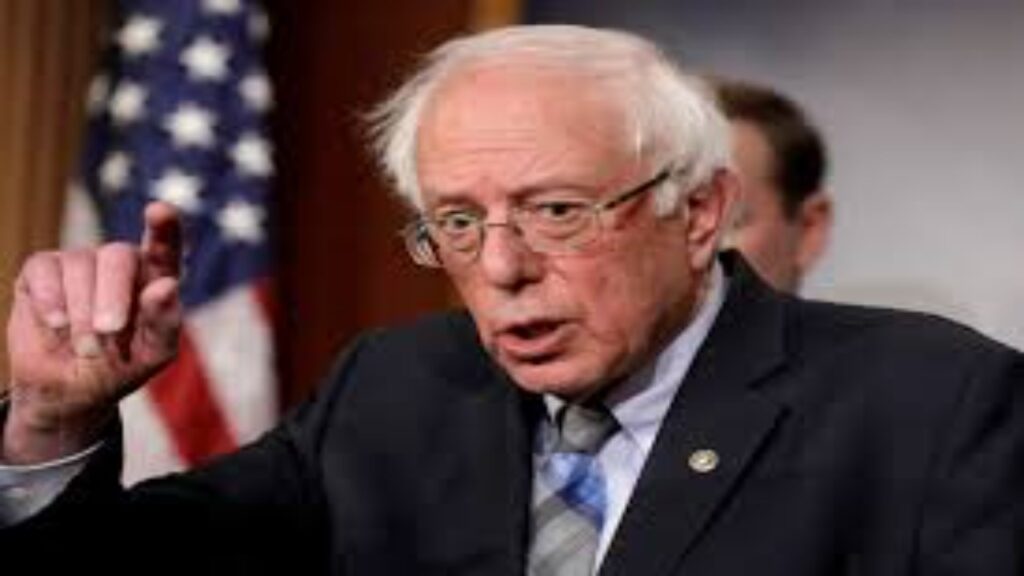
There is growing wealth inequality in the United States, and certain Democrats want the rich to pay their “fair share.” Bernie Sanders and Ro Khanna want a new bill passed that targets America’s wealthiest individuals with fortunes exceeding $1 billion.
The bill aims to provide financial relief to millions of middle and lower-income households by taxing the wealth concentrated in the hands of a small group of billionaire elites.
However, the bill is destined to face major political obstacles since Republicans currently control the U.S. House and Senate. If the past is any indicator of what would happen in the present, this bill would likely be dead in the water. Nevertheless, let’s get into the nitty-gritty of the bill.
What is the Make Billionaires Pay Their Fair Share Act proposed by Bernie Sanders?
The bill proposes a 5% annual wealth tax on individuals whose net worth is $1 billion or more. According to Sanders, there are roughly 938 billionaires currently living in the U.S. who collectively hold about $8.2 trillion in wealth.
The most important facet of the bill is that, if passed, the money taxed from this elite group would be directed to households earning $150,000 or less annually. The bill is essentially being proposed to ensure that billionaires contribute a chunk of their wealth toward public programs and social services.
In its first year, revenue generated from the tax would fund a one-time $3,000 check for individuals in lower and middle-income households. The payments are intended to help Americans cope with rising living costs and economic pressures. Furthermore, after the first year, the proceeds from the proposed taxation system will be directed toward a range of public initiatives supporting working families.
As per Sanders, the bill could generate roughly $4.4 trillion over its first decade, and the revenue generated could help reverse the approximately $1.1 trillion in cuts to healthcare programs such as Medicaid and the Affordable Care Act. Other salient features of the bill include a minimum salary of $60,000 for public school teachers and limiting childcare expenses to no more than 7% of a household’s income.
Related: Elon Musk Gets Candid About Getting Closer to Becoming World’s First Trillionaire
However, wealth taxes have historically not gone down well with Republicans, who have often opposed similar proposals. Now, the party has control over both chambers of Congress. Not to mention, significant lobbying from wealthy elites can be expected, who would see this bill as a deterrent to further investment and could potentially move their assets out of the country.
In the past, the Joe Biden administration floated a plan for a 20% minimum tax on households with net worth exceeding $100 million, but it ultimately didn’t pass. Meanwhile, a proposed billionaire tax in California triggered debates about capital flight.
Supporters of the bill argue that the proposal represents a necessary step toward addressing wealth concentration in the hands of the 1%. Whether the proposed tax will pass in Congress remains uncertain, but the debate around wealth inequality in America is unlikely to subside anytime soon.
Also Read: Can Donald Trump’s New AI Pledge Lower Electric Bills for Americans?
