

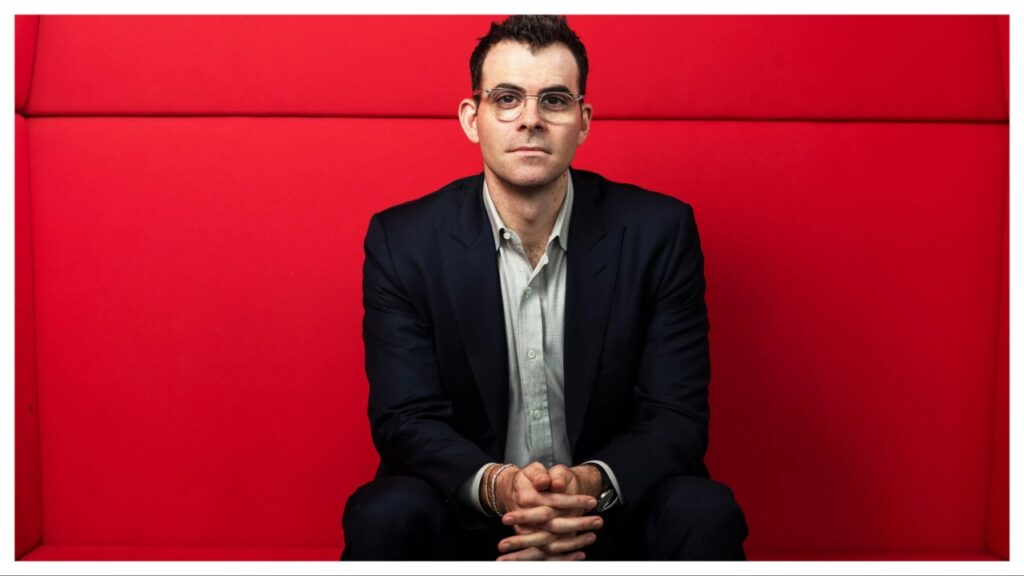
As debates rage worldwide over the addictive nature of social media, Adam Mosseri, the head of Instagram, has found himself at the center of a major class-action lawsuit. Appearing at the Los Angeles County Superior Court on Wednesday, he offered a strong defense of the platform, arguing that it was not intentionally designed to be addictive.
The landmark trial, the first in a consolidated group of cases, began last week with jury selection and could open the door to heightened legal oversight over whether social media is harmful to children. However, Mosseri pushed back against the allegations made in the lawsuit.
Instagram CEO stands by his platform’s integrity
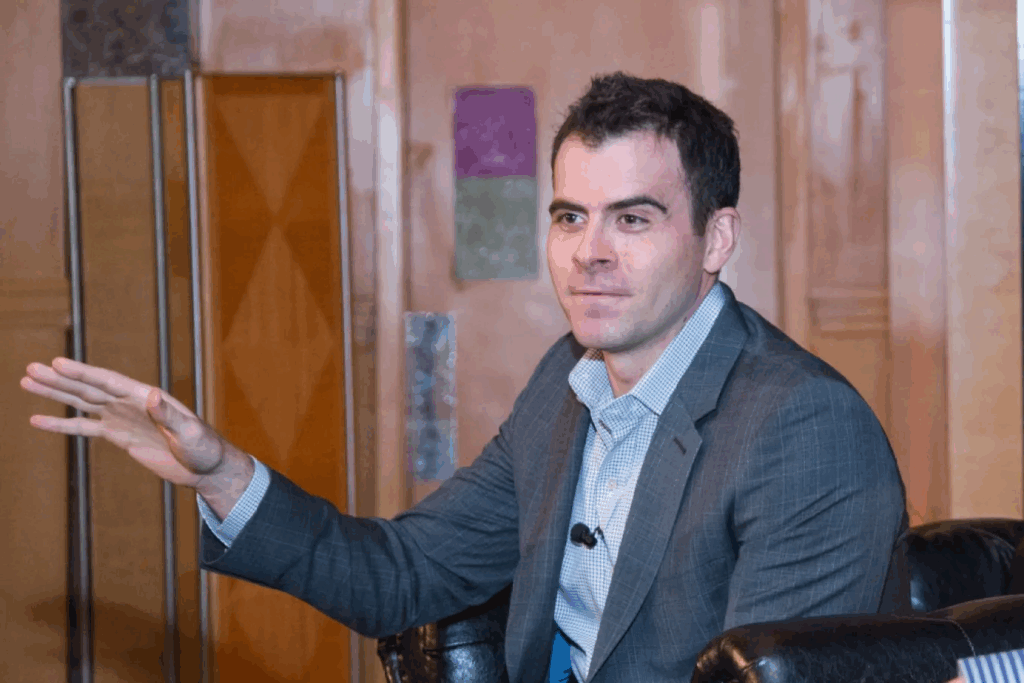
“I think it’s important to differentiate between clinical addiction and problematic use,” Mosseri said when asked about the platform’s purported addictive nature.
When questioned by the plaintiff’s attorney on whether the platform can be problematic if users spend an “excessive” amount of time on it, Mosseri said it varies from individual to individual; however, “it’s possible to use Instagram more than you think it helps.” He further pointed out several times that he isn’t a medical professional, so his comments should be taken with a pinch of salt.
He reiterated his faith in the social media platform, stating that the company’s practices are aligned with “making platforms safe” for minors. Although he admitted that attracting more users aligns with Instagram’s business interests, he added that “protecting minors in the long run is good for profit and business.”
Mosseri further argued that Meta Platforms, the parent company of Instagram, designs its products “with sensitive people in mind,” emphasizing that the plaintiff — the 20-year-old K.G.M., who joined the platform before 2018 — experienced a different version of Instagram than what exists today. He highlighted that new safety measures were added to the app for minors starting in 2021. Furthermore, a feature introduced in 2018 allowed users to track time spent on the app.
Discussing Meta’s allegedly harmful implications of introducing beauty and augmented reality filters to Instagram, Mosseri testified, “We tried to draw the line around only allowing effects you could create with makeup outside of fantasy effects. In practice, we had trouble defining that line. We ended up in a long debate, settling on not allowing any effects promoting plastic surgery.”
“We have tried to respond as the world changes to make sure the experience is as positive as possible,” he added.
Related: Mark Zuckerberg Makes Major Move as Meta Acquires Manus AI
Mosseri’s lawsuit is just the tip of a massive iceberg — what’s the larger context?

Mosseri’s legal trouble is just the first of a group of cases — from more than 1,600 plaintiffs, including over 350 families and over 250 school districts — scheduled to be argued before a jury in Los Angeles County Superior Court, NBC News reported.
Plaintiffs accused the owners of YouTube, TikTok, and Snap Inc. of harming young people’s mental health by intentionally designing addictive products.
The first case centers on K.G.M., a 20-year-old woman, who outlined in her lawsuit that social media companies’ design choices were deliberately made to increase addiction among children for the purpose of profit. She alleged that she has been using social media since she was a minor, which worsened her mental health problems. TikTok and Snap reached settlements ahead of the trial. The social media giants remain defendants in a series of similar lawsuits expected to begin proceedings this year.
Meta continues to deny any wrongdoing, and the company’s CEO, Mark Zuckerberg, is expected to testify next week.
The social media companies could face damages if the jury’s verdict favors the first plaintiff. If found guilty, the tech giants could be forced to make design changes to their platforms. The verdict may also set a precedent for whether the companies choose to fight future legal cases or settle them.
Also read: Elon Musk, Jeff Bezos, Mark Zuckerberg Appear As AI Robot Dogs in Viral Video
