

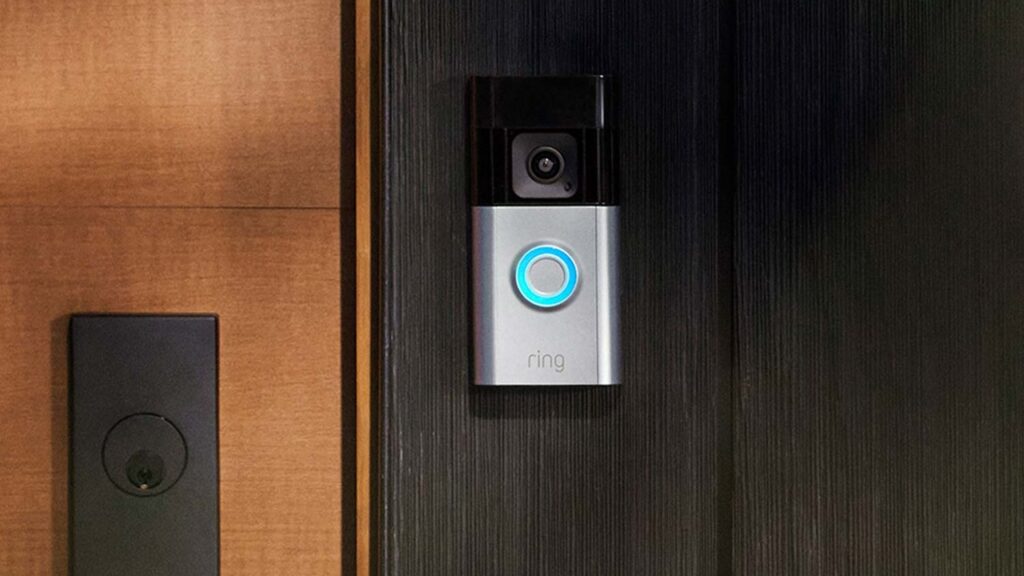
Super Bowl Sunday was marked by a peculiar event that led to a series of backlash against a prominent home security brand. Amazon’s Ring has found itself at the center of a burgeoning controversy. According to recent reports, the company’s “Search Party” advertisement, which aired during the February 8 championship game, has sparked a heated debate about the normalization of neighborhood surveillance and the ethics of gamifying community safety.
Amazon’s Ring faces severe backlash for “Search Party” TV spot
According to a report by The Verge, Amazon’s Ring is facing much heat for its recent Super Bowl advertisement. The sixty-second TV spot features a suburban neighborhood that makes use of Ring’s interconnected camera network to track down a missing canine.
Although the advertisement was clearly designed to highlight the communal benefits of its “Neighbors” platform, critics argue that the commercial’s upbeat, cinematic tone masks a more concerning reality. Digital privacy advocates and civil rights organizations have labeled the campaign as an attempt to “rebrand surveillance as a neighborly virtue.” In their opinion, this encourages a culture of constant monitoring under the guise of helpfulness.
The online backlash was almost instantaneous. Within hours of the broadcast, social media platforms were flooded with critiques from users who viewed the “Search Party” narrative as a sanitized version of Ring’s controversial relationship with law enforcement. The primary concern is that such marketing can desensitize the public to the pervasiveness of private surveillance networks. from the fact that Ring’s vast network of cameras is frequently accessible to police departments without traditional warrants.
Furthermore, the advertisement has reopened old wounds regarding the “Neighbors” app’s history with racial profiling. Although the Super Bowl spot featured a missing pet, real-world data has consistently shown that these platforms can amplify biases, with users often flagging individuals of color as “suspicious” for simply walking through a neighborhood.
Critics cited by The Verge point out that while a dog search is an emotionally resonant hook, the infrastructure being promoted is the same one used to monitor delivery drivers and strangers, often with little to no oversight.
Ring responds to surveillance concern, but questions persist
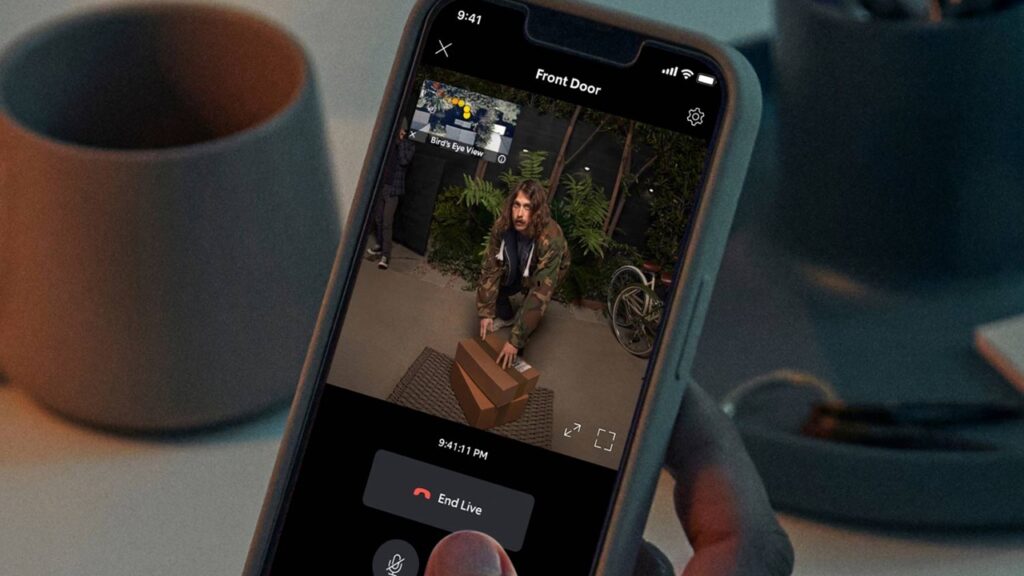
In response to the criticism, Emma Daniels, a spokesperson for Ring, defended the campaign. They stated that the company’s goal is to foster “safer and more connected communities.” Ring emphasized that the features depicted in the ad are entirely opt-in and designed to empower residents to look out for one another. However, this defense has done little to quiet the “Search Party” detractors, who argue that the sheer scale of Amazon’s surveillance ecosystem makes “opting out” nearly impossible for those living in heavily monitored areas.
Industry analysts suggest that the backlash may represent a turning point in consumer perceptions of IoT devices and smart home technology. For years, companies like Ring have marketed peace of mind. However, as the “Search Party” controversy illustrates, the public is increasingly questioning the price of that security. The backlash is not merely about a single commercial but about the “creeping normalization” of a society in which every doorbell is a potential witness, and every neighbor is a potential suspect.
The “Search Party” ad continues to trend in the media, though not for the reasons the marketing team at Amazon had intended. The incident serves as a stark reminder that in this time and age, the boundary between community care and invasive surveillance remains a highly contested frontier. For Ring, the challenge will be navigating a market that is becoming as wary of the watcher as it is of the intruder.
Also Read: Ferrari Taps Apple Design Legend Jony Ive to Shape Interior of Its Upcoming Electric Supercar
