

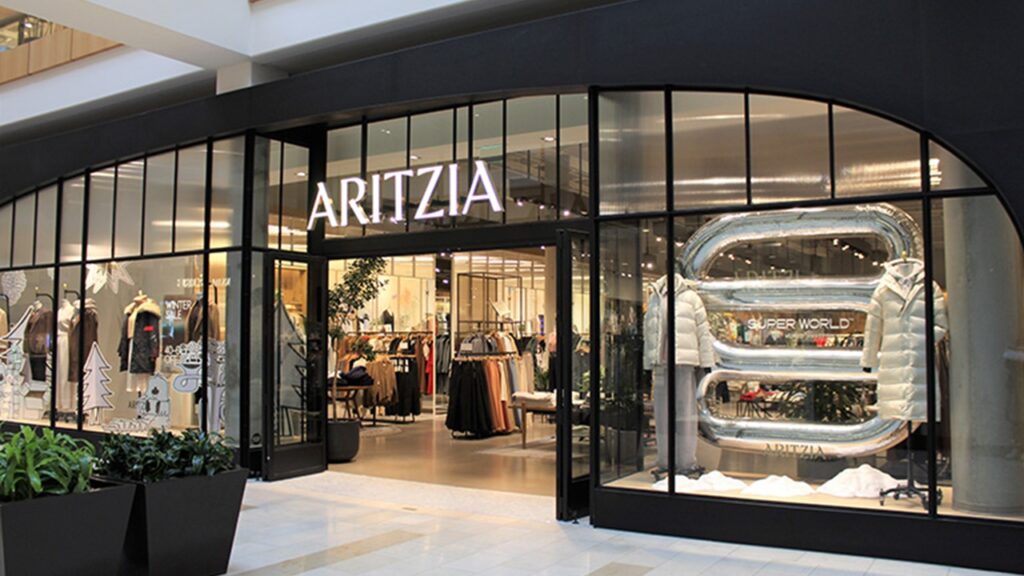
After forty years in business, Canadian fashion powerhouse Aritzia has finally hit a level of global momentum that most retailers only dream of. While the brand has been a steady climber for decades, 2025 has proven to be a transformative “breakout year,” characterized by explosive growth in the United States and a digital strategy that is successfully bridging the gap between high-touch luxury and mass-market convenience.
The numbers tell a story of a brand in overdrive. Despite the economic headwinds of a global trade war, Aritzia’s share price has more than doubled over the past twelve months. In its most recent October report, the company posted a 32% year-over-year increase in total sales, driven by a staggering 41% revenue surge in its U.S. segment.
This performance has caught the attention of Wall Street, with Jefferies analyst Corey Tarlowe highlighting the brand’s “ample expansion opportunity” and a clear path toward higher margins as the company scales.
Aritzia scales new heights under the leadership of CEO Jennifer Wong
A report by Business Insider dated January 1 highlighted Aritzia’s emergence as one of the biggest luxury brands at the moment. At the heart of this financial success is a product strategy that has achieved “cult status” among diverse demographics. Under CEO Jennifer Wong, Aritzia has mastered the art of creating “viral” essentials that transcend fleeting trends. Their “Super Puff” coat has become a winter staple endorsed by a roster of A-list celebrities, including Meghan Markle and Kendall Jenner.
Simultaneously, as return-to-office mandates tighten across North America, the brand’s “Effortless Pants” have become a uniform for young professionals, driving massive social media engagement. During the recent Black Friday period, PeakMetrics reported an incredible 8,100% spike in social mentions across TikTok and Instagram.
However, Aritzia’s 2025 success isn’t just about the clothes; it is about a sophisticated “omnichannel” approach that blends the physical with the digital. The company recently launched its first mobile app, which immediately skyrocketed to the top of Apple’s shopping charts.
Designed to mirror the boutique experience, the app features a digital “closet” of past purchases, providing the company with a goldmine of consumer data. Chief Digital Officer Margot Johnson described the strategy as one where fashion is “guided by art and shaped by data,” ensuring that the digital experience feels as curated as a walk-in closet.
Related: Starbucks CEO Recalls How Reddit Assured The Success Of His Strategy
Aritzia continues to dominate the offline shopping scene
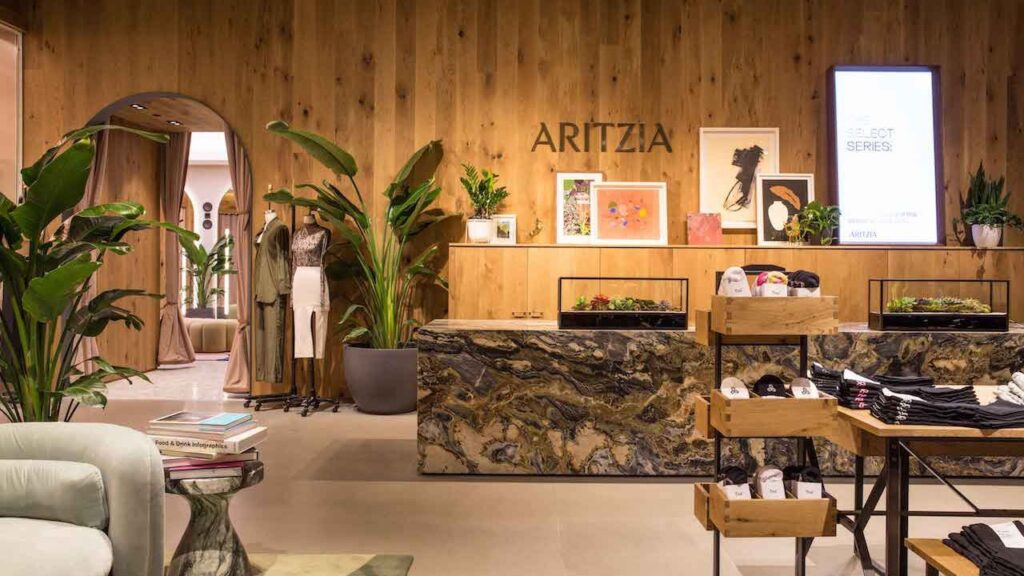
Offline, the company remains committed to “everyday luxury” through its real estate. Founder Brian Hill has long maintained that beautiful, architecturally interesting storefronts are essential for driving sales.
This philosophy is evident in the company’s aggressive expansion, which included twelve new boutiques this year and the announcement of a massive 40,000-square-foot flagship in Vancouver set for 2027. In the U.S., the strategy is paying off faster than expected; while the company typically aims to break even on new locations within 18 months, current U.S. stores are hitting that milestone in less than a year.
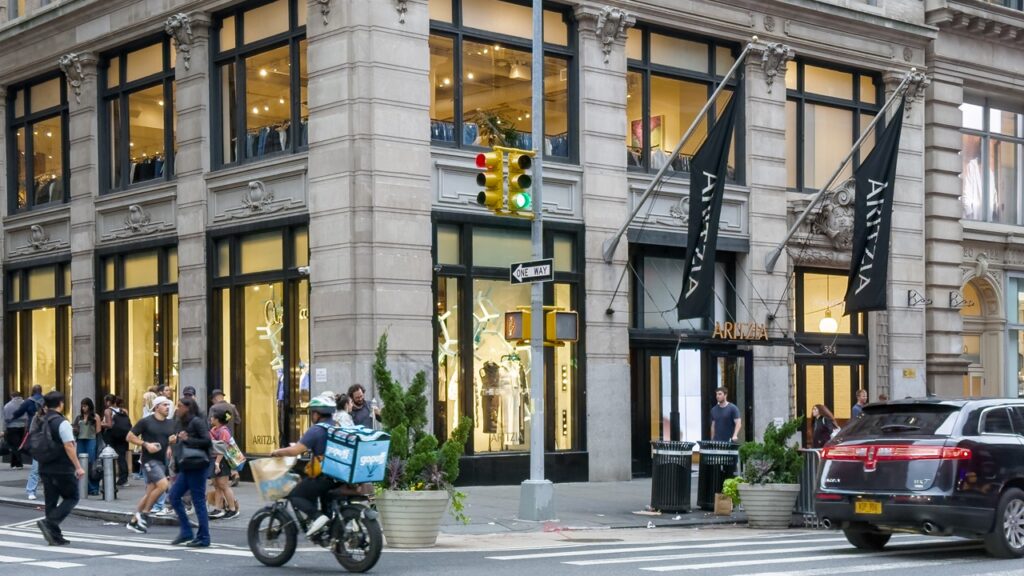
As Aritzia prepares for its next earnings report on January 8, the outlook remains exceptionally bullish. CEO Jennifer Wong’s vision to nearly triple the U.S. store count suggests that the brand is still in the early innings of its international lifecycle. By focusing on “form and function”—and ensuring they have exactly what the customer wants—Aritzia has successfully transitioned from a Canadian favorite to a dominant force in the global fashion landscape.
Also Read: AI Startup CEO Believes Humans Have Major Role In Data Creation
