

2025 witnessed the emergence of new innovations in the AI tech industry, especially in the final quarter of the year. With the likes of Gemini 3 Pro and Grok 4.1 making headlines since their advent in the market, there has been an incredible surge in conversations pertaining to AI utility in day-to-day lives. As productivity and seamlessness become essential to the mission of every LLM being developed worldwide, a problem gains visibility at a rapid pace.
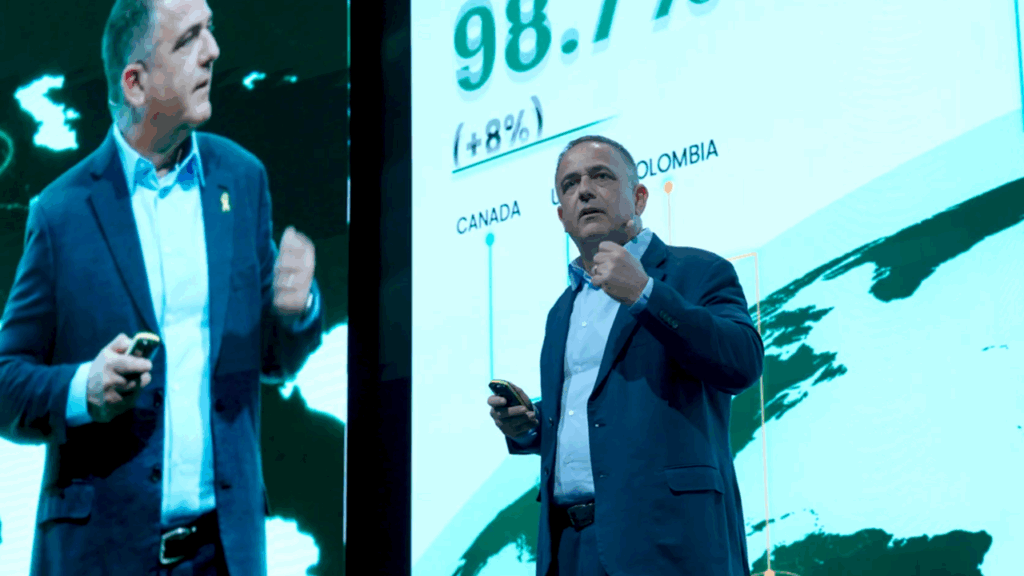
Recently, Cato Networks CEO Shlomo Kramer made an important remark about the gap between the hefty investments in the AI industry and the actual utility of the AI-driven tools currently available on the market. With reference to this concern, Kramer believes that the AI bubble indeed exists at the moment.
Cato Networks CEO Shlomo Kramer expresses concern over AI bubble
In a recent interview with Business Insider, Shlomo Kramer, the co-founder and CEO of cybersecurity firm Cato Networks, spoke on the current artificial intelligence (AI) landscape. He explicitly stated, “We are in a bubble.” Kramer, a tech veteran who previously co-founded Check Point Software and Imperva, suggested that the speculative fervor surrounding AI technology mirrors the precarious dynamics of the dot-com era of the late 1990s.
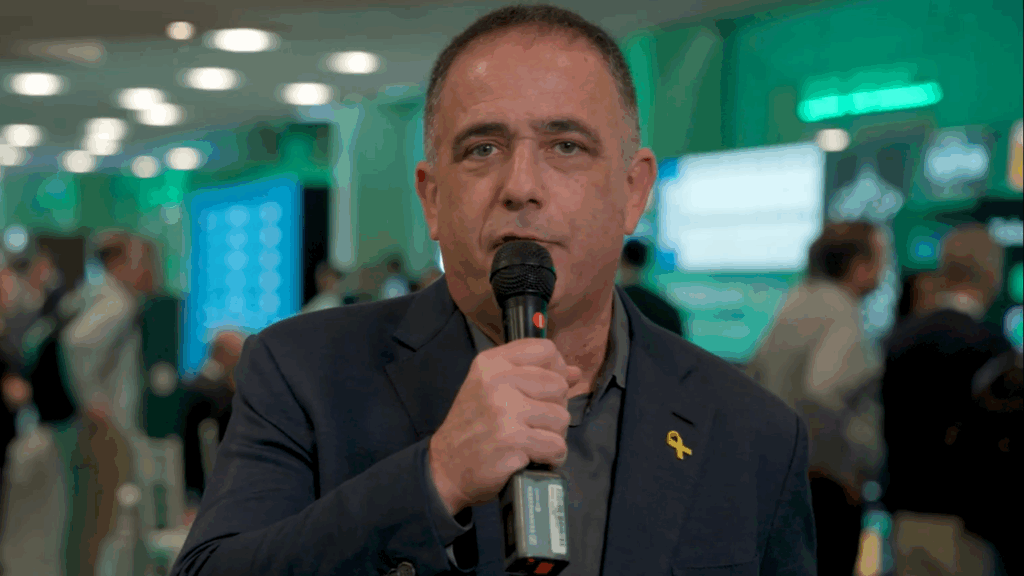
Coincidentally, Kramer’s view echoes the sentiments Google chief Sundar Pichai once shared in his recent interview with the BBC in 2025. Although he spearheaded the launch of Gemini 3 Pro in November 2025, Pichai firmly agrees that the AI bubble is very much present in the global market. As financial resources continued to be pooled into the promises made by AI companies, the present condition of their own LLMs seemingly do not address all the expectations of users and clients across the globe.
In other words, Kramer’s primary contention is a significant “dislocation” between market valuations and the tangible utility of AI in its current state. He observes that while trillions of dollars have been directed toward AI infrastructure, startups, and research, the actual returns on these investments are materializing at a much slower pace than investors anticipate. This gap between capital infusion and revenue generation is a hallmark of a classic financial bubble.
Related: Google CEO Sundar Pichai Raises Serious Concern Over AI Use
Shlomo Kramer wants the AI revolution to happen at a cautious pace
Drawing on his experience during the dot-com bust, Kramer warned in the interview that the current “explosive” growth—with global AI investments projected to exceed $200 billion in 2025—is unsustainable if not matched by rapid maturation. He emphasizes that the true technological revolution will likely unfold over years rather than months.
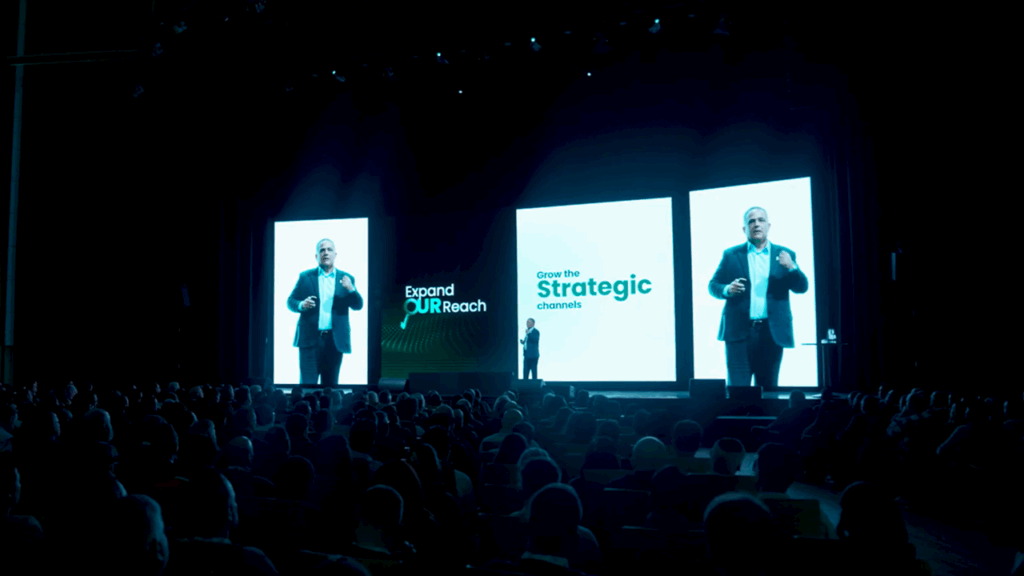
Kramer’s perspective represents a growing prudence stemming from past experience among industry veterans. Although he maintains a fundamental belief in the potential of AI, he urges caution against the current climate of absurd valuations and the pressure for immediate, outsized returns.
His warning serves as a counterpoint to the more optimistic views held by other tech leaders, such as NVIDIA’s Jensen Huang, highlighting a deep divide in the Silicon Valley C-suite over the trajectory of the AI economy as 2025 comes to a close.
Also Read: NVIDIA CEO Jensen Huang Doesn’t Believe in AI Bubble, Company Shares Hint Otherwise
