

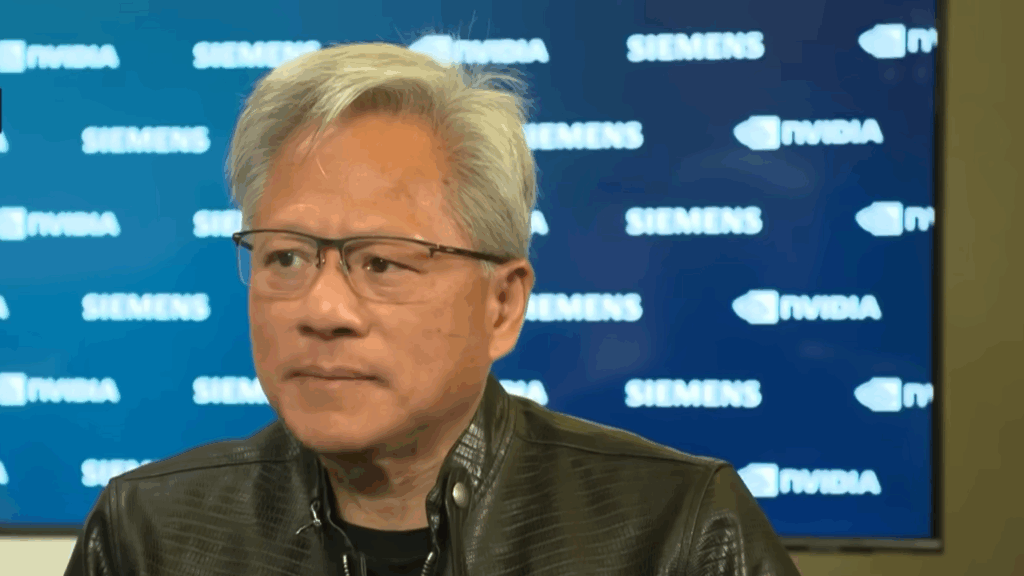
In stark contrast to the wave of tech luminaries currently seeking the exits of the Golden State, NVIDIA CEO Jensen Huang has offered a refreshing and principled defense of his home. As California grapples with the potential implementation of a significant “Billionaire Tax,” Huang has publicly signaled his willingness to remain.
The NVIDIA CEO has presented his decision as a matter of simple logic and gratitude toward the community that fostered his company’s rise. While contemporaries like Larry Page and Peter Thiel reportedly weigh the benefits of more tax-lenient jurisdictions, Huang’s stance introduces a rare, humanistic counter-narrative to the prevailing discourse on capital flight.
NVIDIA CEO Jensen Huang is unbothered by California’s billionaire tax proposition
As per a Business Insider report, Jensen Huang, CEO of NVIDIA, does not consider the recently proposed billionaire wealth tax in California a concern. The proposed ballot measure, which seeks to levy a one-time 5% tax on the net worth of individuals with more than $1 billion in assets, has become a flashpoint.
For Huang, whose wealth has increased to around $155 billion, NVIDIA’s dominance in the artificial intelligence sector is quite evident. For the company, the financial implications are profound, as there is a possibility of a tax bill of roughly $8 billion.
Yet, in a recent interview with Bloomberg Television, Huang appeared unbothered by the new development. He noted that he had not “even thought about it once.” Highlighting his loyalty to Silicon Valley, he stated that his work is driven by something more valuable than finances – the talent pool.
This perspective is rooted in a deep-seated belief in the symbiotic relationship between a creator and their environment. Huang has often spoken of the unique “alchemy” of Northern California, where a high density of engineers and researchers creates a competitive advantage that can’t be easily replicated in Austin or Miami.
By choosing to stay, he is effectively arguing that the value of being at the epicenter of the AI revolution outweighs the fiscal burden of the state’s aggressive social policies. “We chose to live in Silicon Valley,” Huang remarked with a shrug of professional pragmatism, “and whatever taxes they would like to apply, so be it.”
As the face of the world’s most valuable semiconductor company, Huang’s refusal to join the exodus provides a significant morale boost to a state currently fearing a “brain drain.” While critics argue that the tax is a punitive “asset seizure” that penalizes success, Huang’s presence suggests that for some, the decision to live in a specific place is about more than just tax optimization. It challenges the notion that the global elite are an inherently footloose class, motivated solely by the bottom line.
Related: Larry Page Moves Business Out Of California Due To “Billionaire Tax” Proposition
Jensen Huang’s move to stay in Silicon Valley could be crucial for AI development
For now, the debate remains far from settled. Opponents of the wealth tax argue that relying on the benevolence of a few high-profile leaders is a precarious way to manage a state budget. They point out that every CEO who stays back would attract dozens of venture capitalists to quietly relocate their headquarters. This implies they are taking the necessary seed capital with them. There is also a concern that such a tax could set a precedent for future levies that might impact a broader segment of the population.
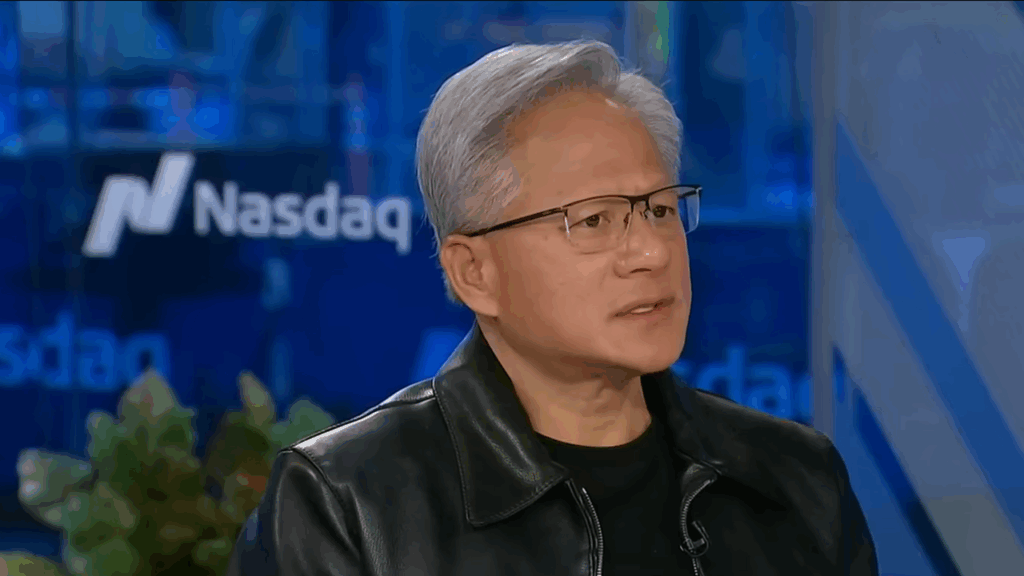
Ultimately, Jensen Huang’s decision to embrace California’s challenges is an important entrepreneurial move in 2026. He transforms a dry debate about tax brackets into a conversation about the responsibilities of leadership. As the vote approaches in November, the tech community remains deeply divided.
Nevertheless, Huang’s commitment serves as a reminder that the world’s most successful innovators, at the end of the day, keep progress first over the balance sheet. Whether his optimism will stem the tide of departures remains to be seen, but it has undoubtedly softened the edges of a once-hostile conversation.
Also Read: Elon Musk’s xAI Gets $20 Billion Support For Series E Funding
