

The adoption of AI technology is happening at a rapid pace. Major AI companies are reaching tens of billions of dollars in valuation ever since the launch of ChatGPT accelerated the AI race.
Investors are betting heavily on the AI ecosystem as it looks set to revolutionize the way we perceive and implement technology. Thus, open-source tools that provide a platform for the proliferation of these AI tools are also gaining a lot of traction among companies.
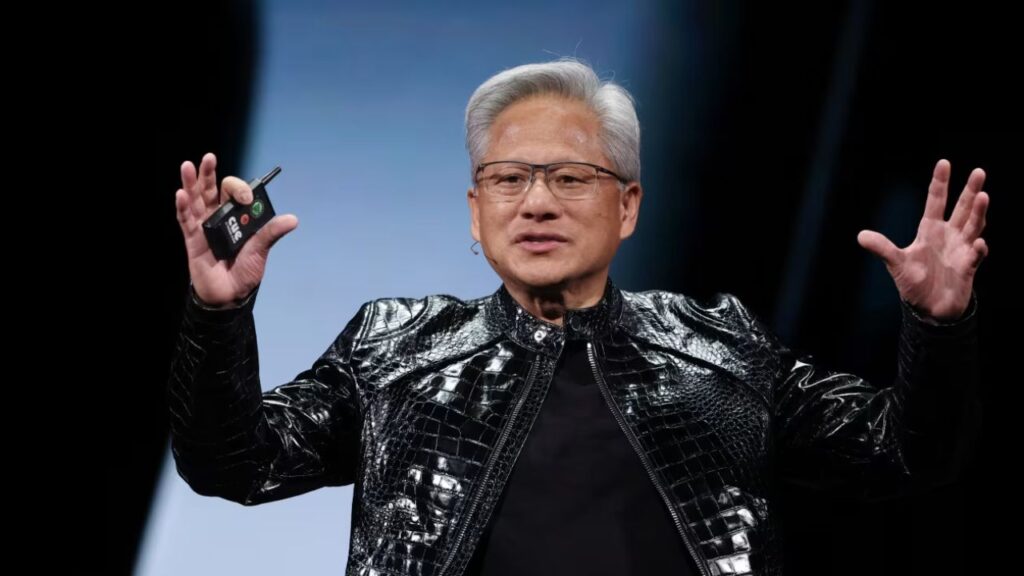
NVIDIA CEO Jensen Huang has claimed that the adoption of a new open-source AI framework has surpassed the growth trajectory of a renowned OS kernel in a matter of weeks. So, what did Huang say that indicates a new trend in the AI landscape? Without further delay, let’s understand the significance of his comments.
OpenClaw has become the most downloaded open-source software, says Nvidia CEO Jensen Huang
Speaking about the hype around open-source AI tools and agent-based systems, Huang suggested that OpenClaw’s rise illustrates how global developer communities are hungry for software that provides the platform to build AI applications and models. To illustrate his point, he noted the rapid adoption of OpenClaw, which eclipsed even Linux’s adoption rate in a matter of three weeks.
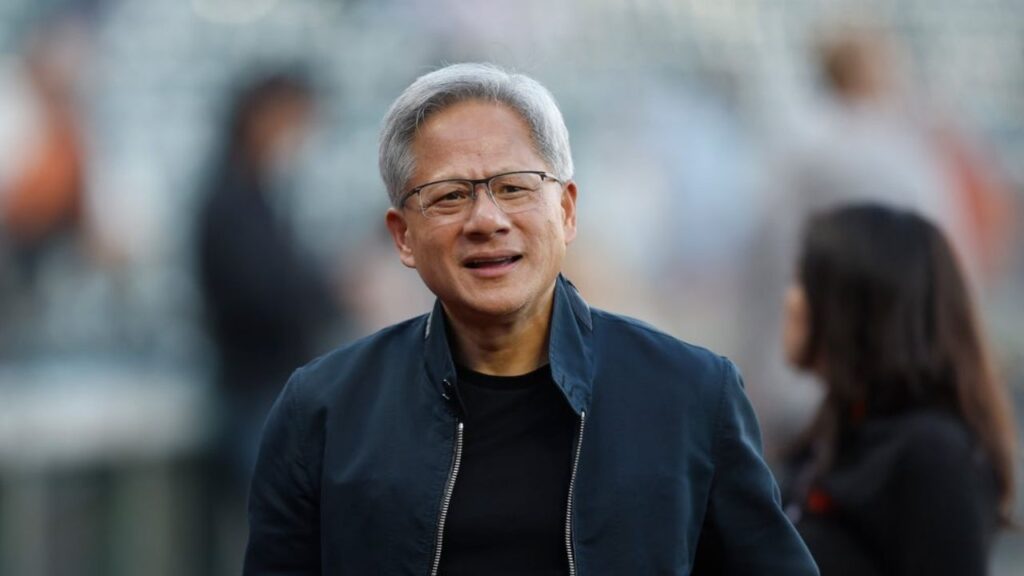
Speaking at Morgan Stanley’s TMT Conference, Huang said, “OpenClaw is probably the single most important release of software, probably ever.”
“If you look at the adoption of it, Linux took some 30 years to reach this level. OpenClaw has now surpassed Linux. It is now the single most downloaded open-source software in history, and it took three weeks,” he added.
For the uninitiated, Linux is an open-source operating system kernel created by Linus Torvalds in 1991 that now powers much of the world’s internet infrastructure, servers, and cloud platforms. Meanwhile, OpenClaw, a recently released open-source framework designed to help developers build and run AI agents, is gaining a lot of attention in the programming community.
It allows developers to create automated AI systems capable of performing tasks such as managing workflows, executing multi-step operations using large language models, and interacting with software.
Related: Elon Musk Hails NVIDIA CEO Jensen Huang’s Views On Work And Status
According to Huang, the shift toward agentic AI could fundamentally change how software is used. Instead of replacing existing applications, he suggested that AI agents will integrate with current programs and automate complex workflows. AI agents, he noted, should be used as assistants that interact with software systems rather than replace them.
Nevertheless, his comparisons between OpenClaw and Linux hint at a broader shift in the technology industry. As industries across various domains increasingly need AI agents that automate workflows, OpenClaw is becoming a growing source of interest for software developers who want to build these AI systems capable of carrying out such functions.
For Huang, the rapid rise of OpenClaw signals that the era of agentic AI—software capable of acting on behalf of users—is just around the corner.
Read more: Donald Trump Suing JPMorgan for $5 Billion Could Lead to an Economic Disaster
