

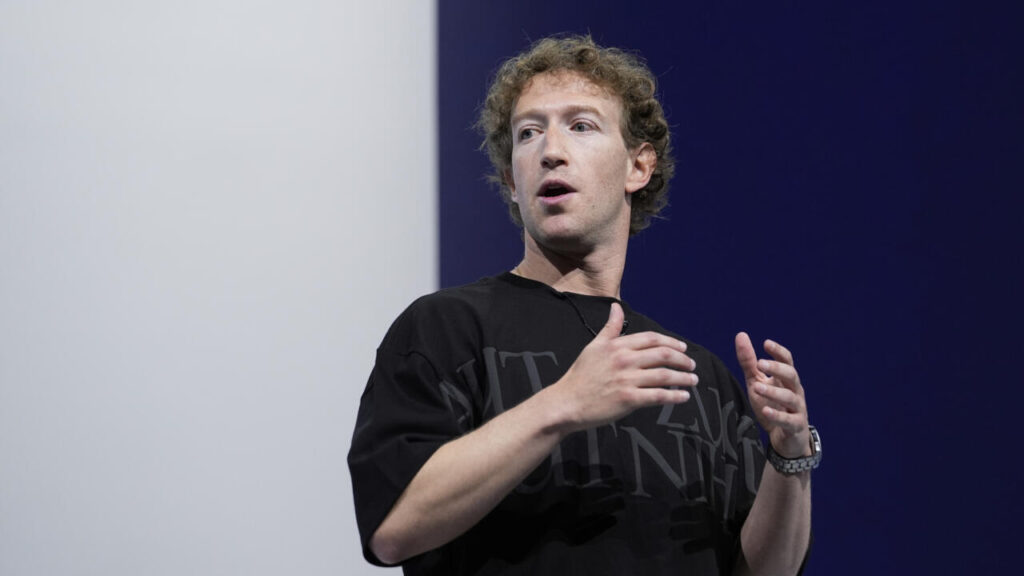
After Instagram CEO Adam Mosseri, Facebook co-founder Mark Zuckerberg took the witness stand in the landmark social media safety trial. Zuckerberg arrived at the Los Angeles Superior Court on February 18 to mount a defense against allegations that Instagram is addictive in nature and harms teens and children. From engagement metrics and underage users to beauty filters, Zuckerberg pushed back against allegations presented in court by the plaintiffs’ lawyers.
The trial is the first in a series of cases from more than 1,600 plaintiffs — including over 350 families and more than 250 school districts — that could lead to significant changes in social media companies’ design policies if successful. However, a key moment in Zuckerberg’s testimony came when he referenced emails he exchanged with Apple CEO Tim Cook, which the defense cited to underscore his outreach on teen safety.
Tim Cook roped in as Mark Zuckerberg claims he “cares” about kids
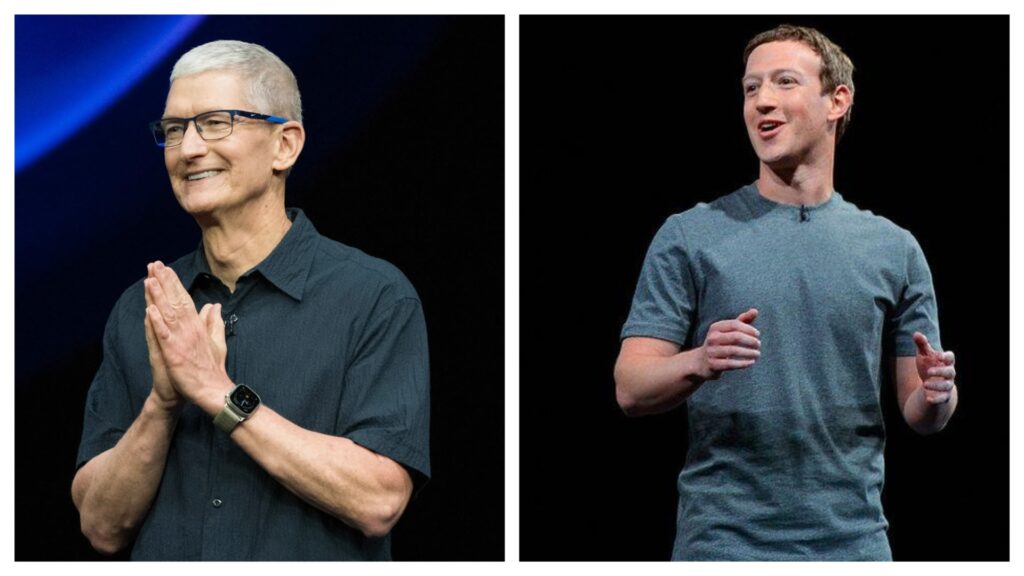
While testifying in court, Zuckerberg’s defense lawyer, Paul Schmidt, pointed to an email exchange between Zuckerberg and Cook from February 2018 to show jury members that the Meta CEO was actively engaged in discussions with a competitor in the market to ensure the safety of young Instagram users. “I thought there were opportunities that our company and Apple could be doing and I wanted to talk to Tim about that,” Zuckerberg stated.
While referencing some of the content in the email, the tech entrepreneur said, “I care about the well-being of teens and kids who are using our services.”
Previously, the Instagram CEO also defended the company’s design policies, saying that its policies were in line with “making platforms safe” for minors. “Protecting minors in the long run is good for profit and business,” he added.
The case centers on K.G.M., a 20-year-old woman, who stated in her lawsuit that social media companies’ design patterns were a deliberate attempt to increase addiction to the platforms among children.
Related: Adam Mosseri Defends Instagram in Major Social Media Addiction Lawsuit
Exploring Zuckerberg’s defense in detail
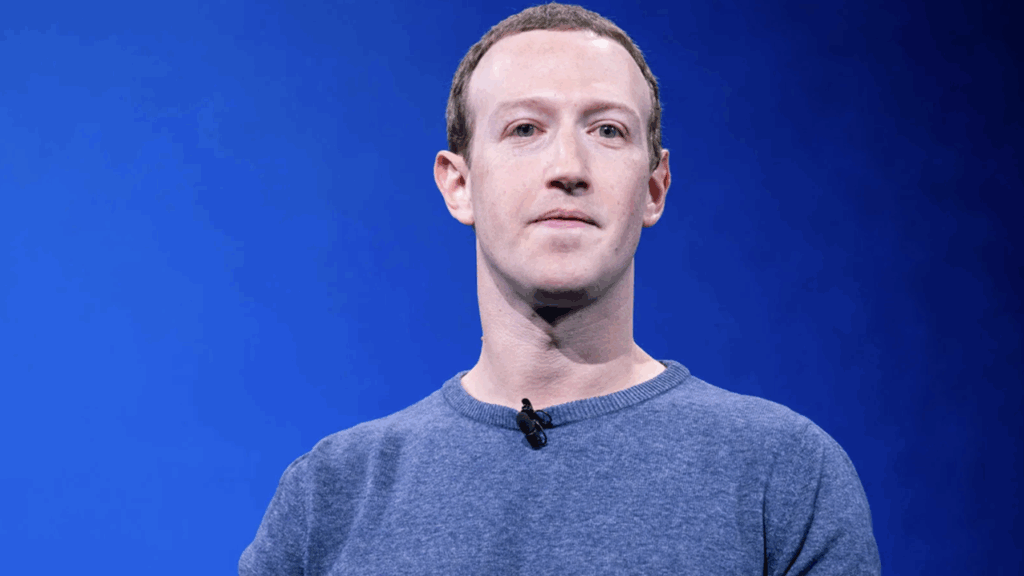
Zuckerberg’s testimony mainly focused on Instagram’s disputed use of cosmetic and beauty filters. He admitted that Meta temporarily banned some plastic-surgery-style filters, then later lifted the ban. When the plaintiff’s side argued that the company had guidance from experts that the beauty filters had negative effects, and cited a study by the University of Chicago, which claimed that beauty filters as a feature cause harm to teenage girls, Zuckerberg responded by saying that he discussed the feedback with his team, but ultimately decided to “err on the side of giving people the ability to express themselves.”
Interestingly, the tech executive reportedly went against Facebook’s vice president of product design and responsible innovation, Margaret Stewart’s advice that continuing with the filters was not the“right call given the risks”. Zuckerberg said in court that there was not enough causal evidence to support the assertion of harm, but admitted to the legal counsel that he did not have a “college degree or anything” to support his argument about causation.
Furthermore, Zuckerberg pushed back against claims that Meta’s goal is to maximize time spent on Instagram. The lawyers presented internal targets showing plans to raise daily engagement to “40 minutes by 2023” and “46 minutes by 2026”. In response, he stated that there were internal milestones to measure against competitors rather than a company goal. These comments were in reference to a 2015 email thread, in which he highlighted that improving metrics was the company’s urgent objective.
On the other hand, the plaintiff’s legal team also cited documents suggesting 4 million U.S. children under 13 were on the platform. On being pressed about whether the company was taking steps to remove underage users from its platform, the Silicon Valley behemoth said that users lie about their age when signing up for Instagram, which requires them to be 13 or older.
When the Meta founder argued that the company removes all underage users it identifies and includes terms about age usage during the sign-up process, it prompted the lawyer from the plaintiff’s legal team to say, “You expect a 9-year-old to read all of the fine print.”
Zuckerberg was of the opinion that age verification should be handled by companies like Apple and Google, who are responsible for maintaining mobile operating systems and app stores.
Meta could face damages if the jury’s verdict favors the first plaintiff. If found liable, the tech giant could be forced to make design changes to its platforms. It remains to be seen if Zuckerberg’s arguments were satisfactory for the jury to rule in his favor.
Also Read: Mark Zuckerberg’s $300 Million Superyacht Accused of High CO2 Emissions
