

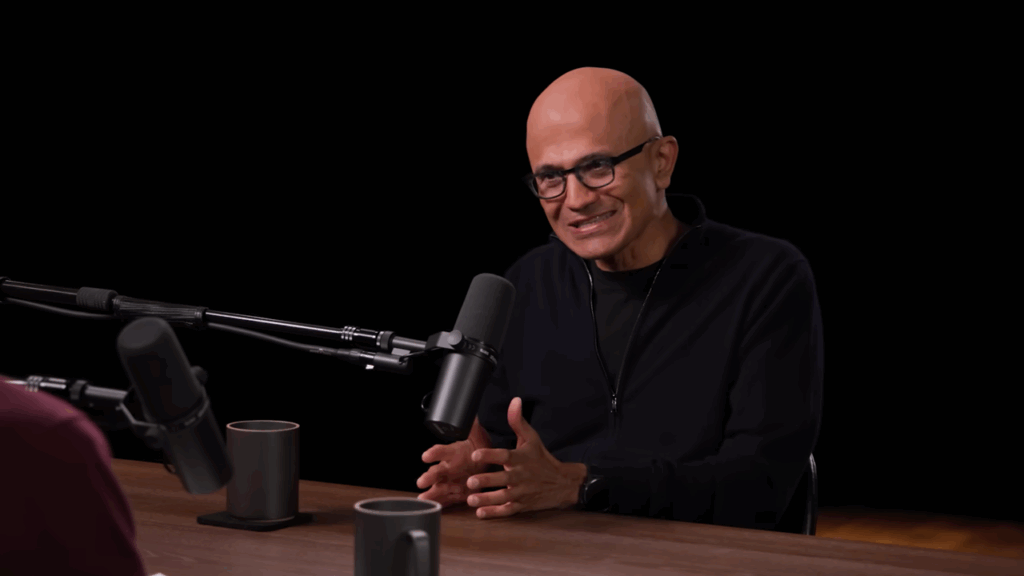
Satya Nadella appears to be creating quite a buzz recently. The Microsoft CEO has decided to roll out a major leadership change to ensure the tech giant does not lose its footing in the AI race. This shift marks a turning point as the company moves toward a more independent strategy, stepping out from the shadow of its high-profile partnership with OpenAI.
By adopting what could be titled “founder mode,” Nadella is rolling up his sleeves and getting directly involved in the day-to-day grind, pushing his teams to build Microsoft’s own AI models and apps faster than ever. It’s a deliberate move to cut through corporate bureaucracy, keeping the company nimble enough to take on rivals like Google and Amazon, as well as the hungry new startups currently nipping at its heels.
Satya Nadella plans for major leadership change at Microsoft
As per a report by Financial Times, Microsoft’s recent performance has reportedly been one of the reasons behind the urgent reshuffle. The metrics state that Microsoft is lagging behind their competitors in user adoption. Despite the integration of its AI assistant, Copilot, into the Windows ecosystem, the tool reported 150 million monthly active users in late 2025—a figure that is significantly overshadowed by Google Gemini’s 650 million users and OpenAI’s 800 million.
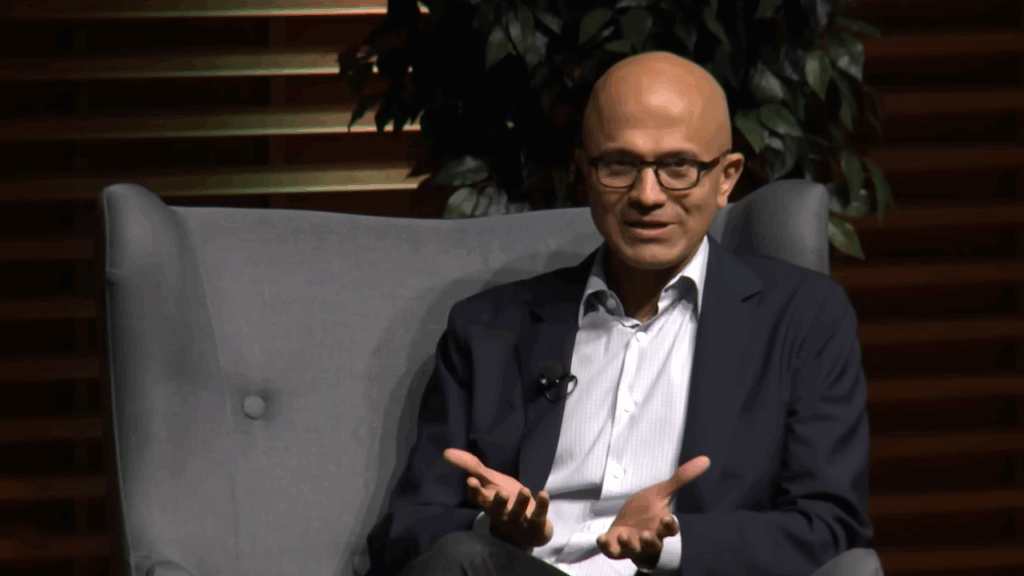
To close this gap and address the looming expiration of exclusive access to OpenAI’s research in the early 2030s, Nadella is aggressively recruiting external talent and breaking down internal silos. These efforts are aimed at transforming Microsoft from a company that relies on external partnerships into a self-sufficient powerhouse capable of producing world-class AI infrastructure and consumer-facing agents.
Central to this new strategy is a series of high-profile appointments that have integrated outside perspectives into Microsoft’s core operations. Former Meta engineering head Jay Parikh has been tapped to lead the new CoreAI unit. At the same time, Google DeepMind co-founder Mustafa Suleyman continues to head Microsoft AI with an independent budget and a unique pay scale designed to win the ongoing war for elite talent.
These steps have reportedly created internal friction and “jealousy” over pay disparities. Nevertheless, Nadella has mentioned that such risks are necessary to disrupt a legacy corporate culture that might otherwise stifle innovation. By empowering these outsiders, Microsoft aims to cut through “red tape” and foster a culture of rapid experimentation that mirrors the pace of the startup world.
Related: SpaceX, OpenAI and Anthropic are set to launch their own IPOs
Microsoft’s leadership reshuffle could impact the market
Besides new recruitments, Nadella has consolidated power among a select group of veteran executives and rising stars to create a unified front. Judson Althoff now oversees a massive portfolio encompassing sales, marketing, and operations, ensuring that engineering priorities are strictly aligned with customer demand. Simultaneously, LinkedIn CEO Ryan Roslansky has seen his influence expand to include the critical Office software suite.

This consolidation is paired with a deliberate effort to groom a new generation of leaders, such as 37-year-olds Asha Sharma and Charles Lamanna, who are being fast-tracked into senior roles. These changes serve a dual purpose; they optimize current execution while simultaneously pressure-testing succession plans for the company’s most vital divisions.
Ultimately, this leadership evolution reflects Nadella’s determination to maximize the AI opportunity before the window of dominance closes. While the 58-year-old CEO is not expected to step down in the immediate future, he is proactively mapping out the company’s long-term corporate structure through a new strategy team led by former HR chief Kathleen Hogan.
By shifting away from a reliance on OpenAI and fostering an internal environment characterized by direct communication and autonomous units, Nadella is attempting to recreate the entrepreneurial spirit that defined Microsoft’s earliest years. The success of this “founder mode” pivot will likely determine whether Microsoft can convert its early lead in generative AI into a sustainable, long-term monopoly in the next era of computing.
Also Read: Google CEO Sundar Pichai Promotes Pluralism in AI Architecture
