


In a surprising shift from the typical Silicon Valley obsession with software and code, NVIDIA CEO Jensen Huang has put forward a new vision for the future of the American worker, one that involves a hard hat and a tool belt. Speaking at the World Economic Forum in Davos on January 21, Huang argued that the true stars of the artificial intelligence era will not necessarily be found behind computer screens, but on construction sites and in machine rooms.
His message is a direct response to a fundamental truth about the digital revolution: the world’s most advanced software has to live somewhere, and that somewhere is a massive network of data centers and “AI factories” that require an unprecedented amount of physical infrastructure.
NVIDIA CEO Jensen Huang speaks on the future of blue collar jobs
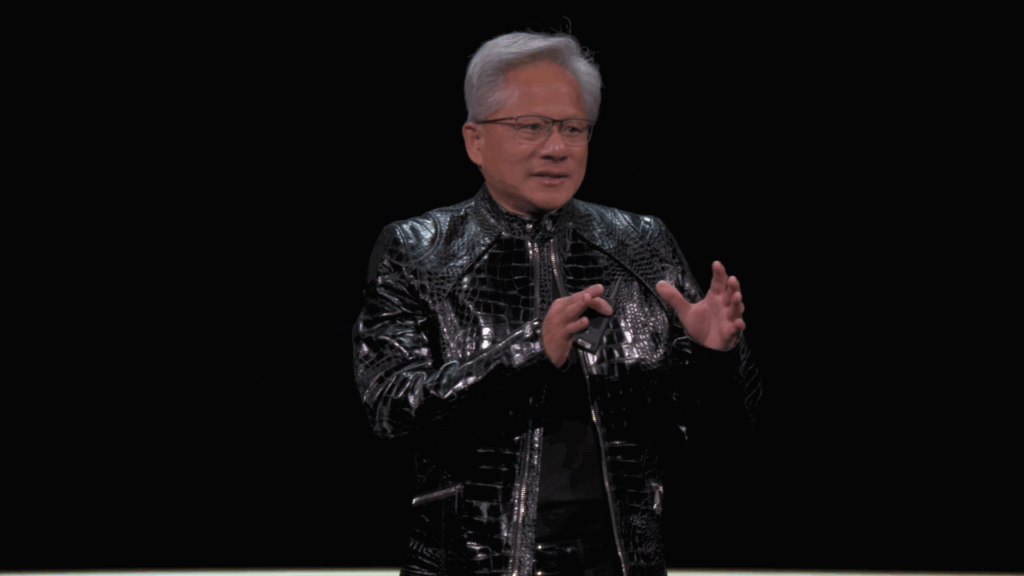
According to a report by Fortune, the NVIDIA CEO made a big announcement about his company’s recruitment efforts. In Huang’s opinion, this can trigger the largest construction boom in human history, placing an immense premium on trade skills like plumbing, electrical work, and carpentry. The financial numbers behind this shift are hard to ignore. Huang pointed out that specialized tradespeople are now frequently commanding six-figure salaries as companies race to build out the power and cooling systems essential for high-end chips.
Unlike entry-level white-collar roles currently facing disruption from AI, these hands-on positions are thriving. Huang emphasized that workers do not need a PhD in computer science to make a great living in this wave, noting that practical, vocational expertise has become a golden bowl for workers.
The demand is fueled by the sheer scale of the projects. A single large-scale data center can require upwards of 1,500 construction workers during its build-out. For an electrician or a master plumber, this isn’t just a job; it’s a high-stakes engineering task. These facilities require specialized liquid cooling and massive power grids that must be installed with zero margin for error.
As a result, wages for these roles have surged, with many workers commanding salaries over $100,000 without the need for advanced academic credentials. This trend is also changing how the next generation looks at career paths.
With junior programming roles increasingly augmented or even replaced by AI tools, Huang suggested that young people should reconsider the syntax of their careers, famously remarking that if he were a 20-year-old today, he would likely choose the physical sciences or a skilled trade over software engineering.
Related: Jensen Huang Is “Fine” With Proposed Billionaire Tax in California
Blue collar jobs could be impervious to AI intervention
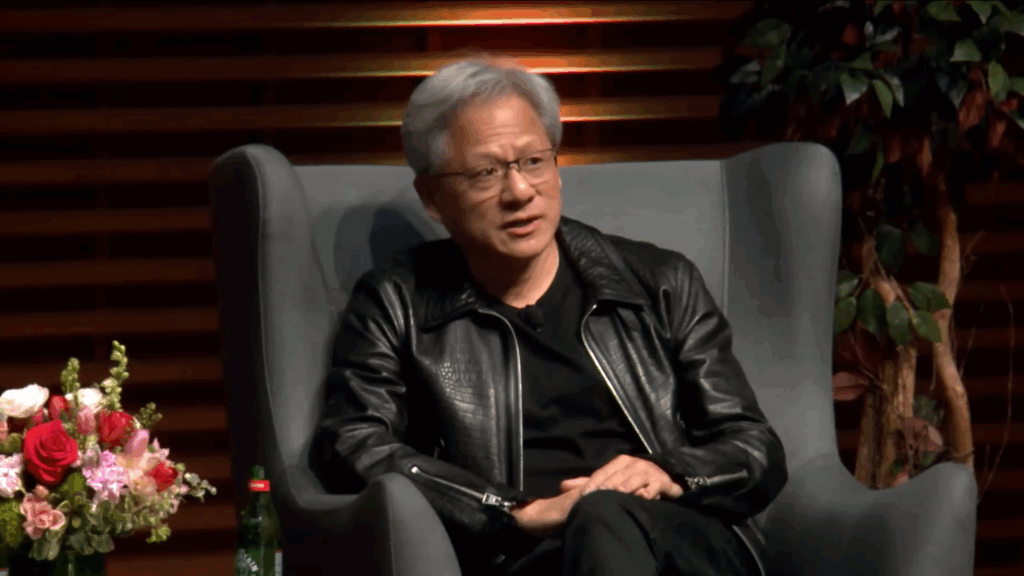
For NVIDIA CEO Jensen Huang, the physicality of the AI boom is its most resilient feature. Although an AI can draft an 80-page legal document or write a significant portion of a company’s code, it cannot wire a transformer or fix a leak in a cooling rack. This manual gap provides a level of job security that many office-based roles are beginning to lose. This goes on to prove that the AI tehcnology can most certainly not replace human labor in every sector.
The NVIDIA chief’s outlook is indeed thought-provoking. He argues that AI isn’t here to erase the need for people, but to shift where our value lies. By handling the repetitive, digital grunt work, technology is forcing us back to the real world, to the trades and crafts that actually build the physical foundations of our society. For the millions of people entering the workforce, the most radical advice from the architect of the AI age is no longer to learn to code, but to learn to build.
Also Read: NVIDIA CEO Jensen Huang Announces The Rubin Platform
