

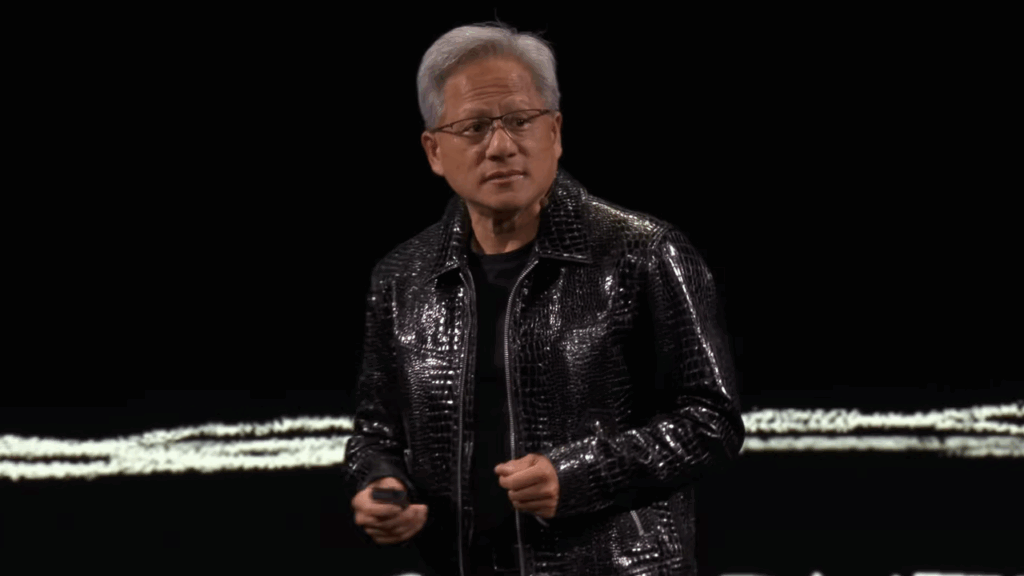
With hitting the trillion-dollar mark in its market capitalization in June 2023, NVIDIA became the biggest GPU company in the world. Indeed, it prevailed in its own niche unopposed and unchallenged, gradually becoming the backbone of the AI tech industry as well as the AI race that has begun since. However, as tech giants begin sharing their ambition to step inside the world of AI chip manufacture, NVIDIA could be staring at a possible challenger among them.
One of the biggest newsmakers this year, Google, dominated the AI market with the release of Gemini 3 in November this year. The drastic changes made in its model and making it more efficient and swifter has compelled the likes of OpenAI to declare a “Code Red” this week.
What if Google makes as big an impact as this if they too take the AI chip manufacturing endeavor seriously? A point to be noted in here, Google is not the only company considering this idea. Amazon and AMD too have made their appearances in the niche. So, it’s only a matter of time before NVIDIA has serious competitors to battle against in the market.
Google, Amazon, AMD continue to challenge NVIDIA in AI Chip Manufacturing
The reason why NVIDIA CEO Jensen Huang has not entertained thoughts about the AI bubble is because of the company’s central position in the AI tech industry. As per The Wall Street Journal reports dated December 5, “Armed with the most advanced blueprints for graphics processing units, or GPUs, and helped by the rapid pace of innovation at Taiwan Semiconductor Manufacturing, the contract fabricator that makes 90% of the world’s advanced AI chips, Nvidia has become synonymous with AI processors.”
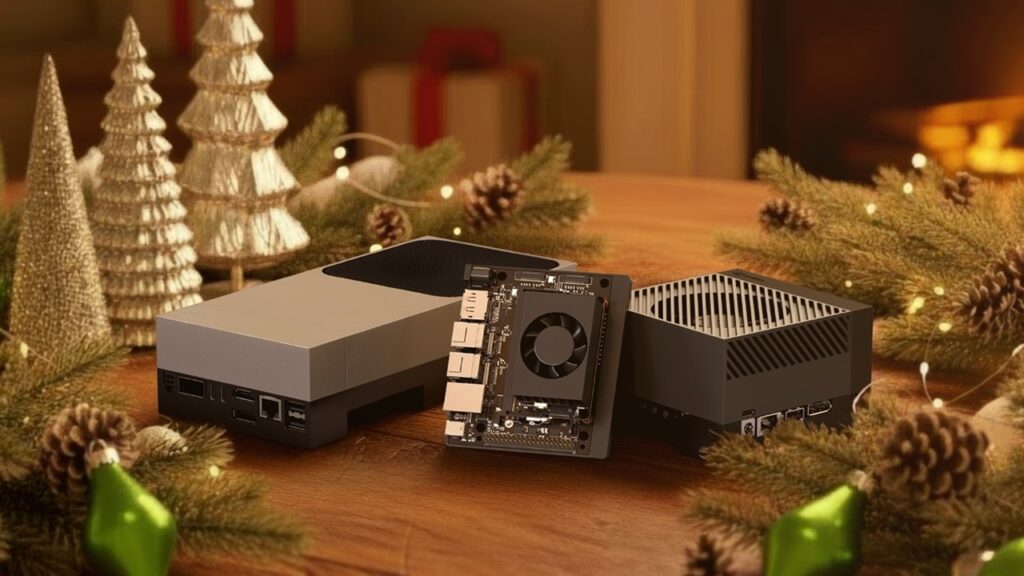
However, with the advent of Google, Amazon, and AMD in the AI chip industry, NVIDIA’s monopoly may come to an end. Although DeepSeek proved to the world earlier this year that cheap AI chips could actually support the functionality of LLMs, NVIDIA has continued to thrive in the AI tech market throughout this year.
In the meantime, Google’s cost-effective Tensor Processing Unit (TPU) became a major rival to GPUs. Although they had been exclusively used for the company’s internal AI development, Google has made an aggressive move to pitch to external clients. One of the biggest surprises has been Meta’s, who have been a major client for NVIDIA, expression of interest to obtain or rent billions of dollars for Google’s TPUs.
Another major tech giant, Amazon, has already been a key player via its cloud services, Amazon Web Services (AWS). Instead of focussing on challenging NVIDIA directly, they are developing chips solve prevalent issues in the market, such as energy efficiency and affordability.
AMD has been one of NVIDIA’s earliest rivals in the AI chip manufacturing niche. Besides the MI300X series GPU that challenges NVIDIA’s Hopper and Blackwell series GPUs, AMD also intends to boost their presence in the market.
CEO Lisa Su’s farsightedness with regard to the longevity of the computing demand in the market has already resulted in AMD making billions in revenue in 2025. Simultaneously, their strategic partnerships with OpenAI and Oracle has had a positive impact on their portfolio as well. It simply exemplifies AMD’s focus on the networking infrastructure as crucial to their growth.
Related: Jensen Huang Feels NVIDIA Is In A “No-Win Situation” Amid AI Bubble Buzz
Would more competitors affect NVIDIA’s central position in AI industry?
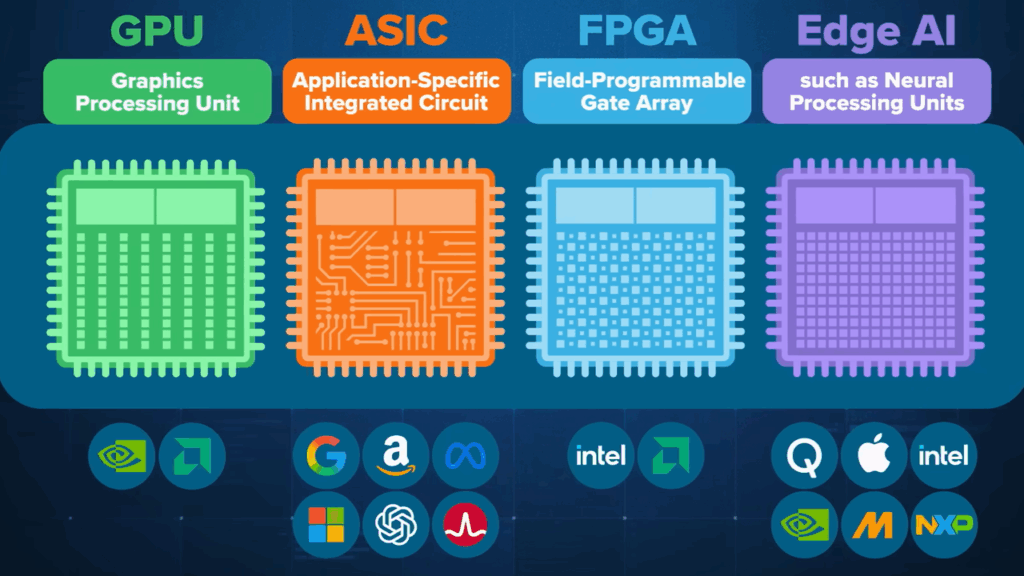
With the rise of Google TPUs, AMD’s very own chips, Amazon’s Trainium and Inferentia custom chips, and also Broadcom’s XPUs, NVIDIA would find itself competing in a multi-chip market that caters to varying kinds of demands.
Be it for training AIs or running models, every AI chip that would make an appearance in the market could be tailored for a specific demand. Although NVIDIA looms large over the AI tech industry, the nature of demand could inadvertently lead to more companies coming up with better AI chip solutions to cater to the market.
The question of whether NVIDIA will fall out of relevance is indeed a query that has been reiterated ever since NVIDIA gained prominence as the central figure in the AI race. And it goes without saying that the AI bubble relies significantly on how NVIDIA fares on the global platform. Hence, what matters now is how these companies partake in the AI chip manufacturing race to create a positive impact on not merely technological developments but also how these technologies are being used ethically in the real world.
Also Read: Jensen Huang Says Elon Musk was NVIDIA’s “First Customer”
