

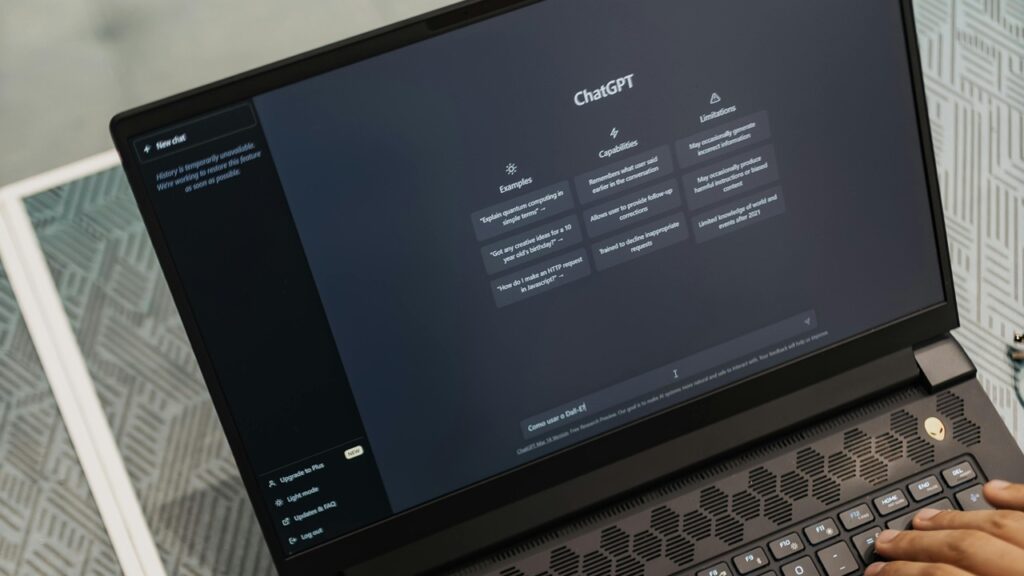
In a landmark transition that could redefine the financial landscape of the artificial intelligence sector, OpenAI is reportedly accelerating its preparations for an initial public offering (IPO) as early as the second half of 2026. According to recent industry reports and analyst assessments, the ChatGPT creator is targeting a historic valuation nearing $1 trillion, a figure that would immediately place the startup alongside established tech titans like Alphabet and Meta. However, sources suggest that the company could face a billion-dollar loss in 2026.
OpenAI set to launch IPO but projects a $14 billion loss this year
OpenAI projects a $14 BILLION loss in 2026 pic.twitter.com/RMh7dwwbXQ
— Daily Loud (@DailyLoud) February 11, 2026
In a recent report by Business Insider, OpenAI is preparing to launch its own initial public offering early this year. The shift toward a public listing comes as the organization grapples with the staggering capital requirements necessary to sustain its technological lead. Analysts at DA Davidson and other major firms note that while OpenAI’s revenue has surged, surpassing a $20 billion run rate by the end of 2025, the company continues to face a “liquidity paradox.” Internal documents suggest OpenAI could incur losses of up to $14 billion in 2026, driven by astronomical compute costs and the development of next-generation models.
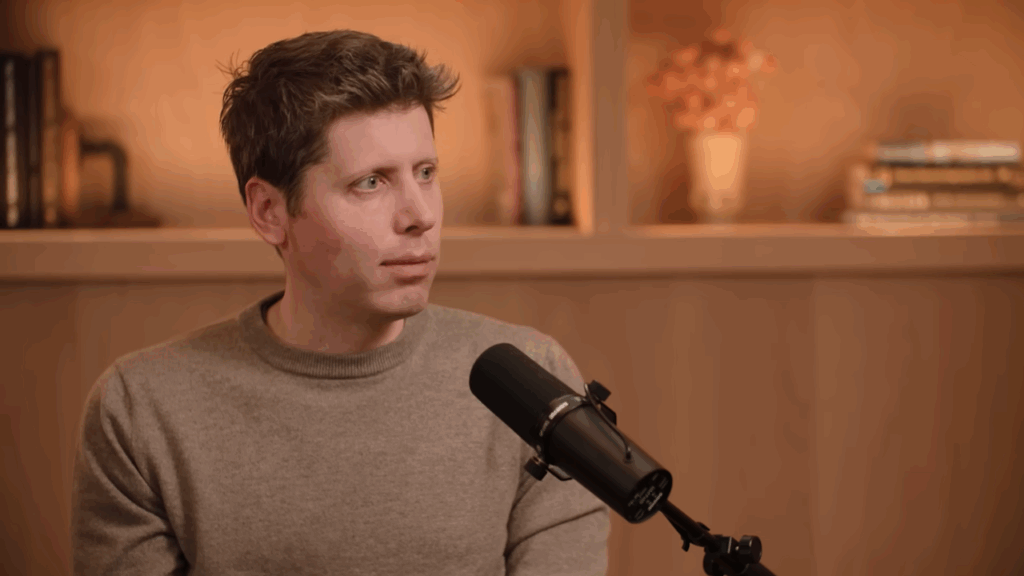
For CEO Sam Altman, the path to the public markets appears increasingly inevitable. At a recent industry event, Altman acknowledged that an IPO is the “most likely path” given the trillions of dollars in infrastructure investment required to achieve Artificial General Intelligence (AGI).
A public listing would serve two critical functions: shoring up a balance sheet that currently burns through tens of billions of dollars annually and providing a “liquidity event” for long-term backers. Major stakeholders, including Microsoft—which holds a 27% stake—and SoftBank, are positioned to see massive returns. SoftBank, in particular, has become a “publicly traded proxy” for OpenAI, with its fortunes increasingly tied to the startup’s valuation milestones.
Wall Street remains divided on the long-term sustainability of OpenAI’s current trajectory. Optimistic analysts, such as Evercore ISI’s Mark Mahaney, point to burgeoning new revenue streams—specifically a nascent advertising business—as a potential “home run.” Projections suggest that incorporating ads into ChatGPT’s free and low-cost tiers could generate up to $25 billion in annual high-margin revenue by 2030.
Related: Sam Altman Opens Up About Balancing the Pressure of OpenAI With Family Life
The “AI bubble” and OpenAI’s company building plan
However, skepticism about the “AI bubble” persists. Some investors caution that OpenAI’s projected $44 billion in accumulated losses through 2028 creates a precarious position. The company does not anticipate turning a profit until 2029, when it forecasts annual revenue could reach $100 billion.
Simultaneously, certain sources have opined that there is a growing concern regarding the projected losses of worth $14 billion that could be incurred by the AI tech giant this year. However, it does appear that OpenAI has been working out ways to combat such a crisis in the foreseeable future.
Behind the scenes, OpenAI has spent the last several months building a “public-company caliber” infrastructure. The hiring of CFO Sarah Friar in 2024 was followed by a string of high-profile finance recruits in early 2026, including Chief Accounting Officer Ajmere Dale and corporate finance veteran Cynthia Gaylor. These hires are widely viewed as a signal that the company is preparing to meet the SEC’s rigorous disclosure requirements.
As the second half of 2026 approaches, the market is bracing for what could be the largest IPO in history. Whether OpenAI can successfully bridge the gap between its visionary goals and its immediate financial burn will likely define the scale of the next major technology cycle. For now, the world’s most prominent AI startup is betting that public investors will share its conviction that the cost of building the future is a price well worth paying.
Also Read: Judge Clears Way For Jury Trial As Elon Musk and Sam Altman’s Rivalry Intensifies
