

In the gilded corridors of global luxury, true status is increasingly defined not by what is recognized but by what remains whispered. Although the “Holy Trinity”—Patek Philippe, Audemars Piguet, and Vacheron Constantin—continues to command the public fascination, a new vanguard of watchmaking has emerged. The apex of the 2026 watch market is being claimed by a suite of super-luxury independent brands that operate far beneath the canopy of mainstream consciousness, catering to a clientele for whom a “waiting list” for a Rolex is a charmingly pedestrian concept.
According to a recent report by The Times, these anonymous artisans represent a movement toward “quiet luxury,” in which the value of a timepiece derives from its mechanical purity and the personal signature of the man behind the bench.
Akrivia
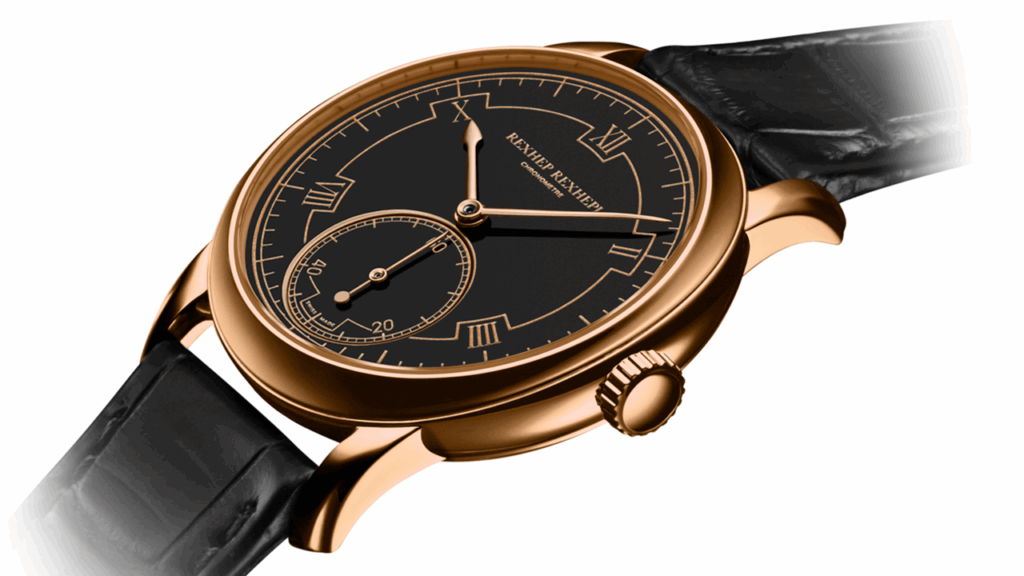
At the forefront of this movement is Rexhep Rexhepi, the founder of Akrivia. To the uninitiated, the name evokes little; to the connoisseur, it represents the absolute zenith of hand-finishing. Rexhepi’s pieces, such as the Chronomètre Contemporain, are characterized by a level of symmetrical movement architecture and “anglage” (beveled edges) that traditional maisons, burdened by mass production, simply cannot replicate. In the current market, these pieces do not merely retain value. They act as sovereign assets, often trading at multiples of their retail price before the ink on the warranty card has dried.
Philippe Dufour
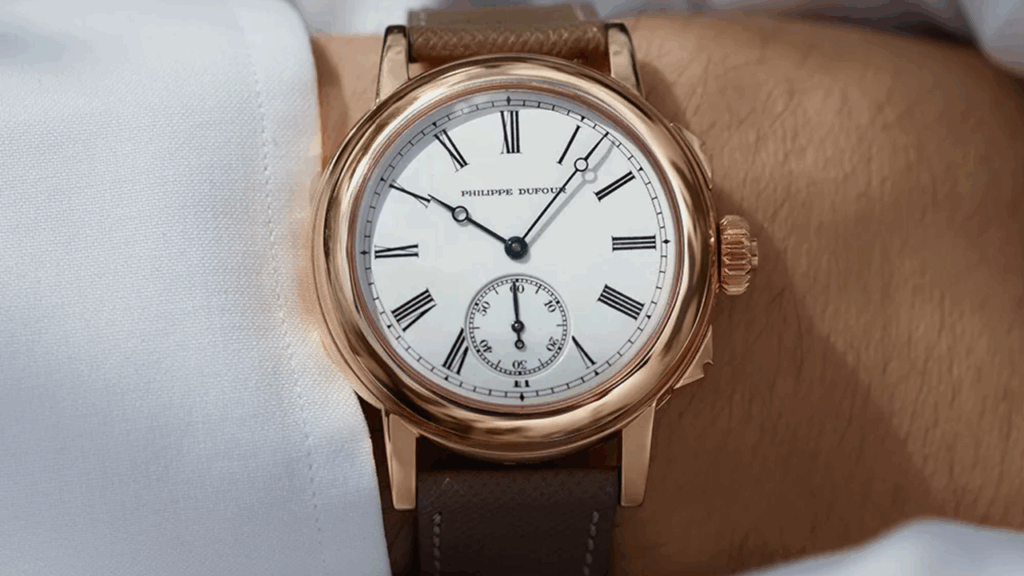
Equally elusive is the work of Philippe Dufour, often cited by The Times as the living deity of horology. Operating from a small workshop in the Vallée de Joux, Dufour’s output is so limited that the delivery of a single Simplicity or Duality constitutes an event of international significance. His philosophy is one of reductive perfection, shunning complications for the sake of flawless execution. To wear a Dufour is to signal a profound intellectual depth in one’s collecting; it is a watch for those who find the visual noise of a diamond-set bezel to be an affront to the craft.
Related: Mark Zuckerberg’s Gold $120,000 Watch That Won’t Need Resetting Until 2100
F.P. Journe
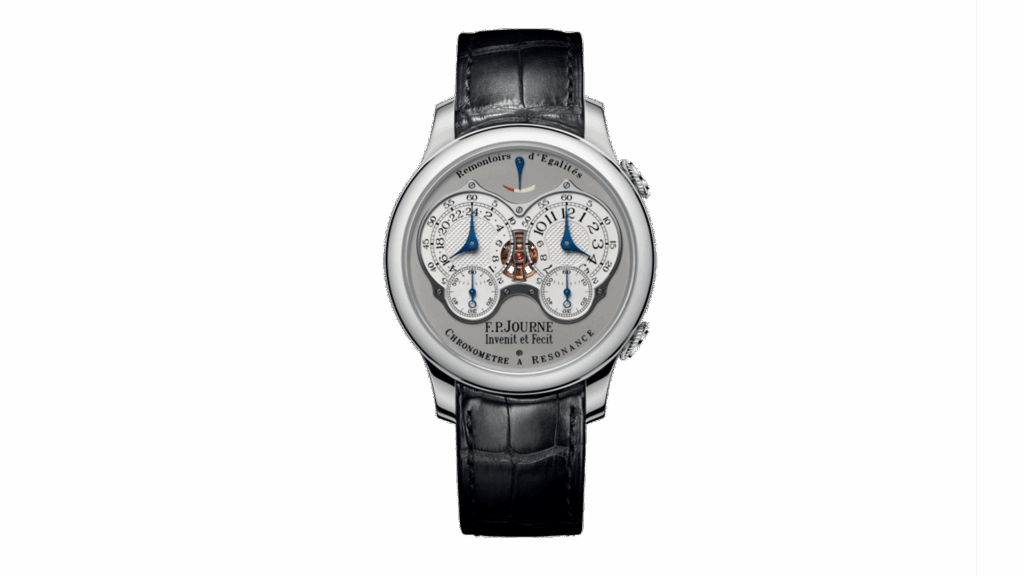
The 2026 landscape has also seen the ascension of F.P. Journe from a cult favorite to a dominant market force. While Journe is perhaps the most “famous” of the independents, his brand maintains an aura of impenetrable exclusivity. His Invenit et Fecit (Incented and Made) motto is more than a slogan; it is a mandate for horological invention. Models like the Chronomètre à Résonance, which utilizes the physical phenomenon of resonance to synchronize two balance wheels, offer a level of technical theater that renders standard luxury watches monochromatic by comparison.
Grönefeld and H. Moser & Cie.
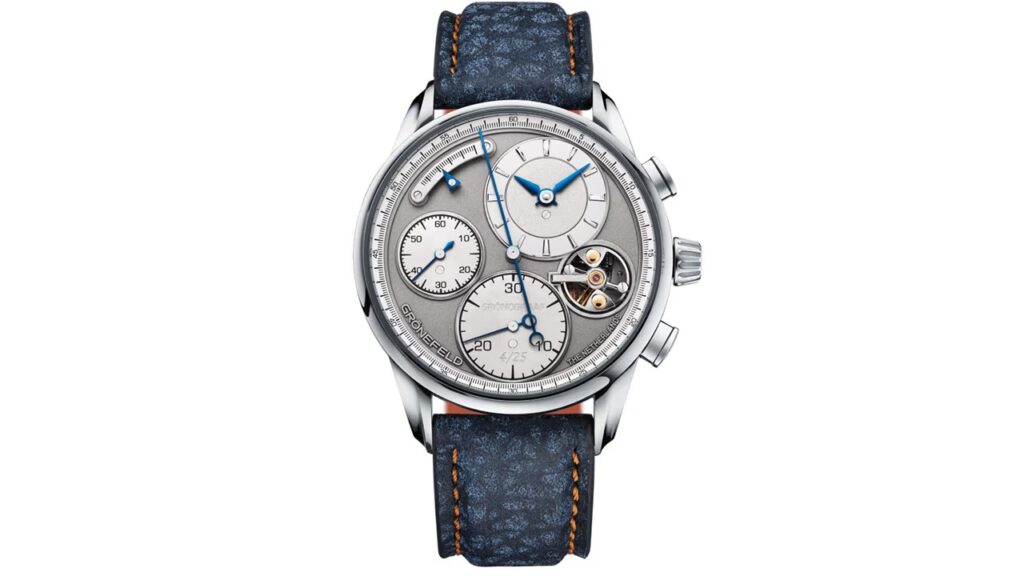
Brands like Grönefeld, the “Horological Brothers” from the Netherlands, and H. Moser & Cie. have redefined the aesthetic language of the super-luxury sector. These makers utilize “fumé” dials and avant-garde materials to bridge the gap between traditional craftsmanship and contemporary art.
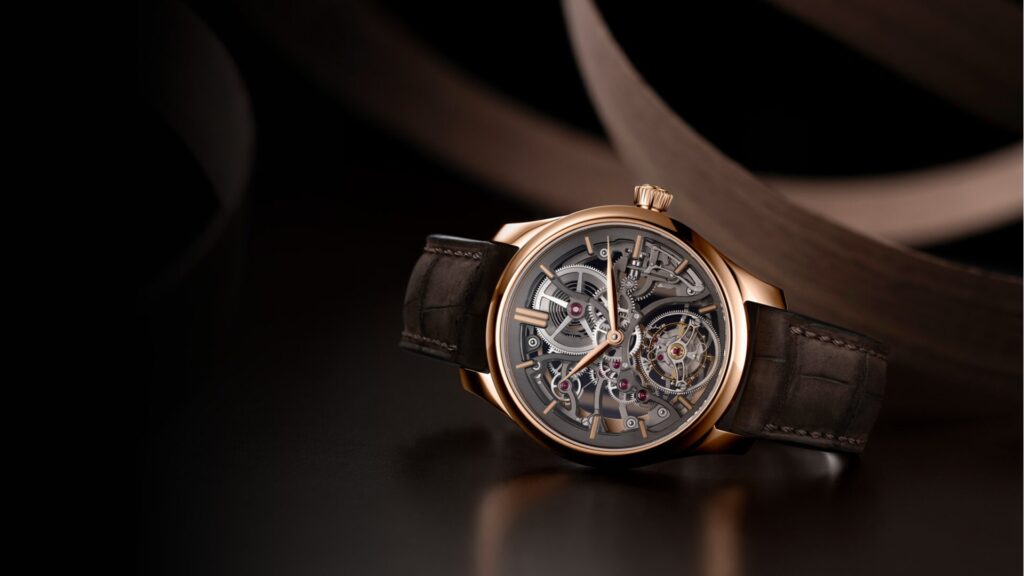
Their success in 2026 stems from a broader cultural shift: the modern titan of industry no longer wishes to wear the same watch as his peers. They seek the “IYKYK” (If You Know, You Know) factor, a secret handshake in the form of a tourbillon that only a handful of people on the planet could identify.
As The Times aptly notes, the rise of these super-luxury independents signifies a “Great Reset” in the hierarchy of time. In an era where digital saturation has made traditional luxury accessible and visible to all, the true elite are retreating into the bespoke, the artisanal, and the rare. These brands may be ones you have never heard of, but in the private lounges of Geneva and the boardrooms of Singapore, they are the only names that matter. For the collector of 2026, the ultimate luxury is no longer time itself, but the exquisite, hand-finished vessel in which it is kept.
Also Read: The Truth Behind Khaby Lame’s $975 Million Deal and Why It’s Being Misunderstood
